GENESITE Environmental Protection Technology Co., Ltd.

Exploring the Innovative Technology Behind Multiparameter Water Quality Probes
Feb 22,2026
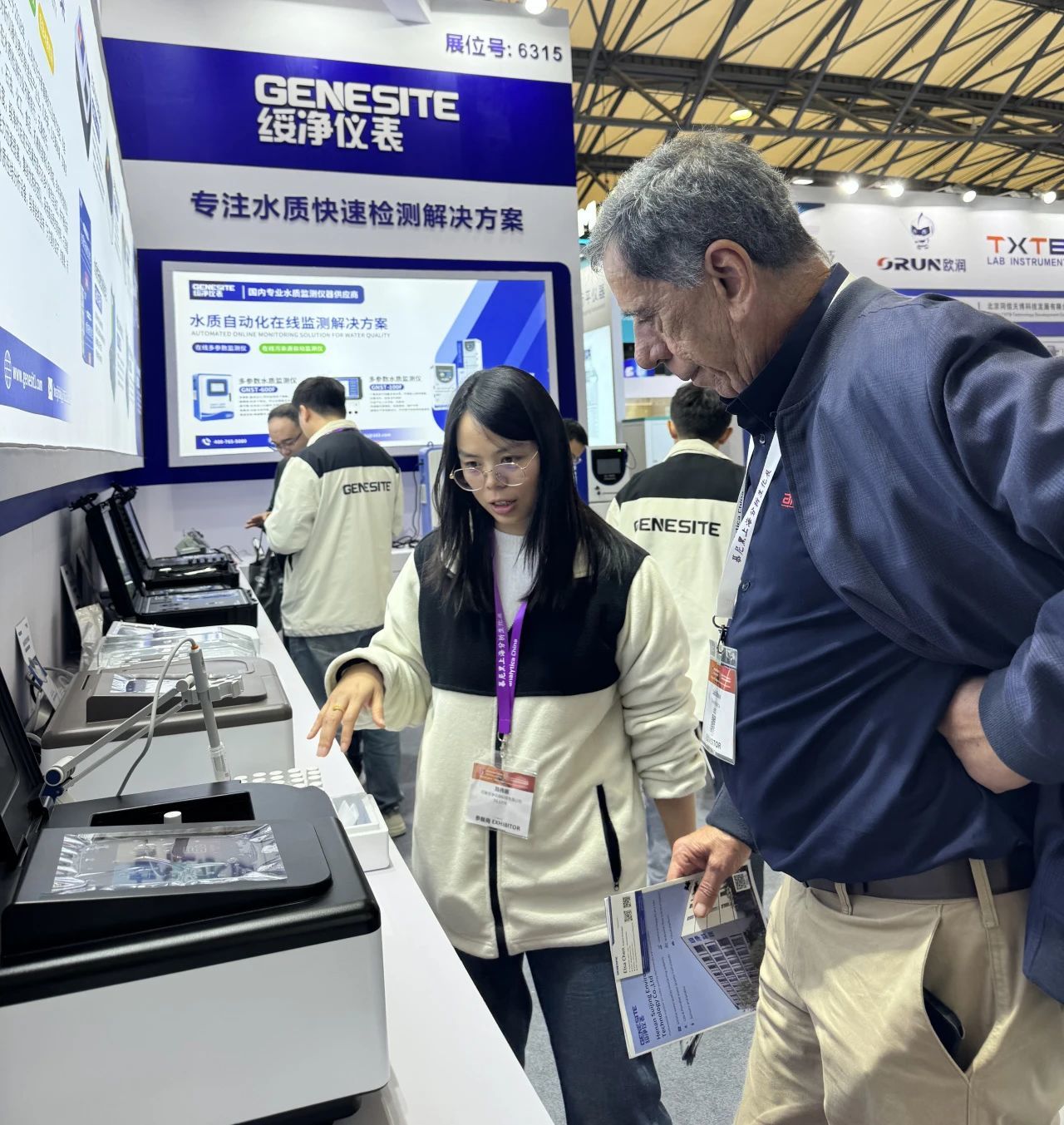
Exploring the Technology Behind Multiparameter Water Quality Probes
Table of Contents
- 1. Introduction to Multiparameter Water Quality Probes
- 2. Understanding Water Quality and Its Parameters
- 3. Design and Components of Multiparameter Probes
- 4. Working Principles of Multiparameter Water Quality Probes
- 5. Applications of Multiparameter Water Quality Probes
- 6. Advantages of Using Multiparameter Water Quality Probes
- 7. Challenges in Water Quality Monitoring
- 8. The Future of Multiparameter Water Quality Probes
- 9. Frequently Asked Questions (FAQs)
- 10. Conclusion
1. Introduction to Multiparameter Water Quality Probes
In today’s world, **ensuring water quality** is of paramount importance. Multiparameter water quality probes are revolutionary devices designed to measure multiple water quality parameters simultaneously. These probes play a critical role in a variety of sectors, including environmental monitoring, aquaculture, and municipal water treatment, providing essential data that helps maintain safe and sustainable water resources.
2. Understanding Water Quality and Its Parameters
Water quality refers to the chemical, physical, and biological characteristics of water. It is influenced by a variety of factors, such as **pollution**, **temperature**, and **pH levels**. Key parameters measured by multiparameter probes include:
- **pH**: Indicates the acidity or alkalinity of water.
- **Dissolved Oxygen (DO)**: Essential for aquatic life, indicating the oxygen available in water.
- **Electrical Conductivity (EC)**: Measures the water's ability to conduct electricity, which correlates with the concentration of ions in water.
- **Turbidity**: Indicates the clarity of water and the presence of suspended particles.
- **Temperature**: Affects the solubility of gases and the metabolic rates of aquatic organisms.
3. Design and Components of Multiparameter Probes
Multiparameter water quality probes incorporate advanced technology and materials to ensure accurate and reliable measurements.
3.1 Types of Sensors Used
These probes utilize various sensors tailored for specific parameters:
- **pH Sensors**: Typically glass electrodes sensitive to hydrogen ions.
- **DO Sensors**: Often optodes or electrochemical sensors for real-time monitoring.
- **Conductivity Sensors**: Usually comprised of two electrodes that measure ionic content.
- **Turbidity Sensors**: Use light scattering techniques to gauge water clarity.
3.2 Housing Materials and Durability
The housing of multiparameter probes is often made from durable materials such as **PVC**, **stainless steel**, or **titanium**, ensuring resistance against corrosion and adverse environmental conditions. The choice of materials affects the probe’s longevity and effectiveness in harsh water environments.
4. Working Principles of Multiparameter Water Quality Probes
Multiparameter probes operate based on specific principles related to the parameters they measure. For example, pH sensors work through the generation of a voltage proportional to the ion concentration, while turbidity sensors measure the intensity of scattered light to determine water clarity. Data collected from these sensors is transmitted to a central system, often via digital communication technologies, allowing for real-time analysis and monitoring.
5. Applications of Multiparameter Water Quality Probes
Multiparameter water quality probes serve diverse applications across various fields.
5.1 Environmental Monitoring
In environmental monitoring, these probes help track the health of natural water bodies. They provide scientists and environmentalists with critical data to assess ecological health, monitor pollution levels, and ensure compliance with environmental regulations.
5.2 Industrial Usage
Industries, particularly those in the food and beverage, pharmaceuticals, and chemical manufacturing sectors, rely on multiparameter probes for quality control. These probes ensure that water used in processes meets safety standards, thereby safeguarding product quality.
6. Advantages of Using Multiparameter Water Quality Probes
Multiparameter water quality probes offer numerous advantages, including:
- **Efficiency**: They measure multiple parameters simultaneously, saving time and resources.
- **Cost-Effectiveness**: Investing in a single multiparameter probe is often more economical than purchasing several individual sensors.
- **Enhanced Data Accuracy**: These probes provide precise readings, crucial for effective decision-making in water management.
7. Challenges in Water Quality Monitoring
Despite their many benefits, there are challenges associated with using multiparameter water quality probes. Calibration is essential for accuracy, and regular maintenance is required to prevent sensor drift. Additionally, environmental factors such as temperature fluctuations and the presence of contaminants can affect measurement accuracy.
8. The Future of Multiparameter Water Quality Probes
The future of multiparameter water quality probes looks promising, with advancements in technology driving innovation. Emerging trends include the integration of **IoT (Internet of Things)** technology for remote monitoring, improved sensor designs for better accuracy, and the development of smart probes that can self-calibrate and diagnose issues autonomously.
9. Frequently Asked Questions (FAQs)
What is a multiparameter water quality probe?
A multiparameter water quality probe is a device designed to measure various water quality parameters simultaneously, such as pH, dissolved oxygen, turbidity, and conductivity.
How do multiparameter probes work?
Multiparameter probes operate using sensors that detect specific parameters. The measurements are then processed and displayed, often in real-time, for analysis.
What are the applications of multiparameter water quality probes?
These probes are used in environmental monitoring, industrial applications, aquaculture, and municipal water treatment facilities.
How often should multiparameter probes be calibrated?
Calibration frequency depends on the specific probe model and usage conditions, but regular calibration is essential to maintain accuracy.
What factors can affect the accuracy of water quality measurements?
Environmental conditions such as temperature changes, the presence of contaminants, and the age of the sensors can all impact measurement accuracy.
10. Conclusion
Multiparameter water quality probes have revolutionized the way we monitor and assess water quality. Their advanced technology and ability to measure multiple parameters simultaneously make them indispensable tools in various industries and environmental monitoring efforts. As technology continues to evolve, the functionality and accuracy of these probes will only improve, ensuring that water quality management remains effective and reliable. Investing in high-quality multiparameter probes is essential for anyone committed to ensuring clean and safe water for all.
TAG:
PREVIOUS:

Contact Us
E-mail :
andrew@genesit1.com
Phone:
+8615896508337
Address:
Chanhe Industrial Park,LuoYang City, Henan Province,China


SAF Coolest v1.3.1.2 设置面板 GAGSD-AGYF-JZZQE-ZAV
违禁词: 第一,最,一流,领先,独一无二,王者,龙头,领导者,极致,
无数据提示
Sorry,当前栏目正在更新中,敬请期待!
您可以查看其他栏目或返回 首页