GENESITE Environmental Protection Technology Co., Ltd.

Understanding the Importance of Quality Chlorine Dioxide Sensors in Various Applications
Feb 26,2026
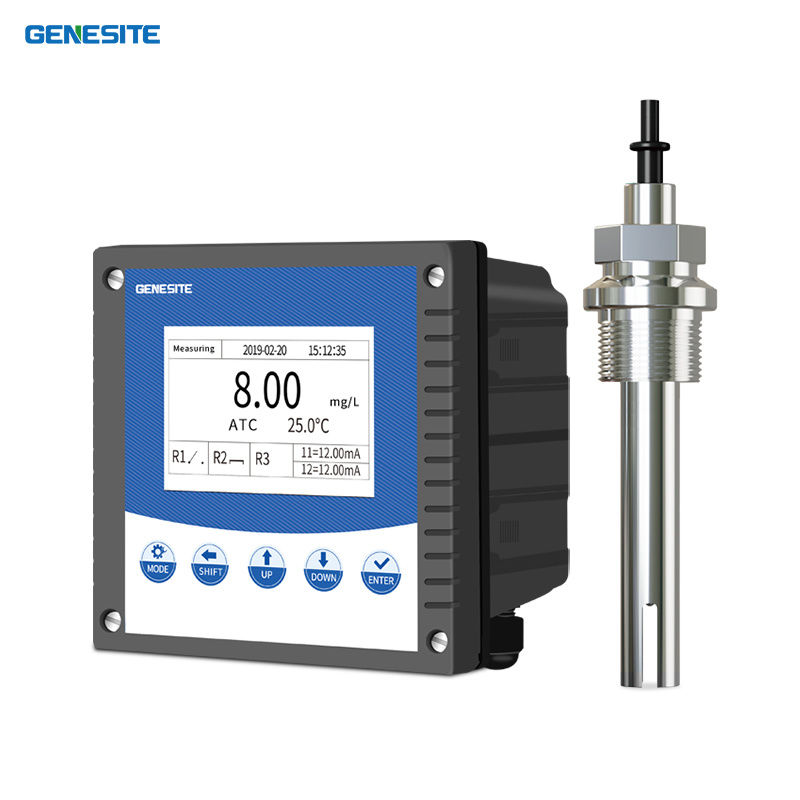
Chlorine dioxide (ClO2) is a powerful oxidizing agent widely used for disinfection and purification processes. It is critical to monitor chlorine dioxide levels accurately, as both underexposure and overexposure can have adverse effects on health and safety. Quality chlorine dioxide sensors are essential tools in achieving precise measurements of this compound in various applications, including water treatment, food processing, and industrial settings.
A quality chlorine dioxide sensor functions by utilizing advanced detection technologies that can measure ClO2 levels in real-time. These sensors typically employ methods such as electrochemical detection, optical measurement, or colorimetric analysis. Each of these techniques has its advantages, allowing for accurate readings and reliable performance under various environmental conditions.
One of the primary benefits of using quality chlorine dioxide sensors is their ability to ensure safety in water treatment processes. Chlorine dioxide is often used in water disinfection due to its effectiveness in eliminating pathogens without forming harmful byproducts. By continuously monitoring chlorine dioxide concentrations, these sensors help maintain optimal levels, ensuring that water supplies are safe for consumption and reducing the risk of contamination.
In addition to water treatment, quality chlorine dioxide sensors play a crucial role in food processing environments. Due to the nature of foodborne pathogens, maintaining stringent hygiene standards is imperative. By utilizing ClO2 for sanitation, food manufacturers can ensure a higher standard of cleanliness. Chlorine dioxide sensors monitor ClO2 levels during disinfection processes, ensuring that food products are treated effectively while minimizing chemical residues.
Moreover, quality chlorine dioxide sensors are utilized in industrial applications where ClO2 is used for various chemical processes. In these environments, accurate monitoring is vital, as fluctuations in ClO2 levels can affect product quality and operational efficiency. By implementing advanced sensors, industries can enhance their production consistency and ensure compliance with regulatory standards.
When selecting quality chlorine dioxide sensors, it is important to consider factors such as sensitivity, response time, operating range, and durability. High-quality sensors are designed to perform reliably across a wide range of conditions, providing accurate data that can be trusted for critical decision-making.
In summary, quality chlorine dioxide sensors are indispensable in various sectors, ensuring that chlorine dioxide levels are monitored accurately. Their application spans from water treatment to food safety and industrial processes, making them essential for protecting public health and maintaining operational efficiency. Investing in high-quality sensors enhances safety and operational standards, while also contributing to environmental sustainability.
A quality chlorine dioxide sensor functions by utilizing advanced detection technologies that can measure ClO2 levels in real-time. These sensors typically employ methods such as electrochemical detection, optical measurement, or colorimetric analysis. Each of these techniques has its advantages, allowing for accurate readings and reliable performance under various environmental conditions.
One of the primary benefits of using quality chlorine dioxide sensors is their ability to ensure safety in water treatment processes. Chlorine dioxide is often used in water disinfection due to its effectiveness in eliminating pathogens without forming harmful byproducts. By continuously monitoring chlorine dioxide concentrations, these sensors help maintain optimal levels, ensuring that water supplies are safe for consumption and reducing the risk of contamination.
In addition to water treatment, quality chlorine dioxide sensors play a crucial role in food processing environments. Due to the nature of foodborne pathogens, maintaining stringent hygiene standards is imperative. By utilizing ClO2 for sanitation, food manufacturers can ensure a higher standard of cleanliness. Chlorine dioxide sensors monitor ClO2 levels during disinfection processes, ensuring that food products are treated effectively while minimizing chemical residues.
Moreover, quality chlorine dioxide sensors are utilized in industrial applications where ClO2 is used for various chemical processes. In these environments, accurate monitoring is vital, as fluctuations in ClO2 levels can affect product quality and operational efficiency. By implementing advanced sensors, industries can enhance their production consistency and ensure compliance with regulatory standards.
When selecting quality chlorine dioxide sensors, it is important to consider factors such as sensitivity, response time, operating range, and durability. High-quality sensors are designed to perform reliably across a wide range of conditions, providing accurate data that can be trusted for critical decision-making.
In summary, quality chlorine dioxide sensors are indispensable in various sectors, ensuring that chlorine dioxide levels are monitored accurately. Their application spans from water treatment to food safety and industrial processes, making them essential for protecting public health and maintaining operational efficiency. Investing in high-quality sensors enhances safety and operational standards, while also contributing to environmental sustainability.
TAG:
PREVIOUS:

Contact Us
E-mail :
andrew@genesit1.com
Phone:
+8615896508337
Address:
Chanhe Industrial Park,LuoYang City, Henan Province,China


SAF Coolest v1.3.1.2 设置面板 GAGSD-AGYF-JZZQE-ZAV
违禁词: 第一,最,一流,领先,独一无二,王者,龙头,领导者,极致,
无数据提示
Sorry,当前栏目正在更新中,敬请期待!
您可以查看其他栏目或返回 首页