GENESITE Environmental Protection Technology Co., Ltd.

The Future of Water Sampling: Innovations from Leading Manufacturers
Mar 10,2026
The Future of Water Sampling: Innovations from Leading Manufacturers
Introduction to Water Sampling Technologies
Water sampling is a crucial process in environmental monitoring, ensuring water quality and safety in various applications, from public health to industrial use. With advancements in technology, the methods and tools for water sampling are evolving rapidly. This article will delve into the innovations from leading manufacturers that promise to revolutionize the water sampling landscape.
Understanding the Importance of Water Sampling
Water sampling is essential for assessing the physical, chemical, and biological properties of water bodies. It helps in:
Ensuring Public Health
Regular water quality assessments are vital for public health. Contaminated water can lead to severe health risks, including waterborne diseases.
Regulatory Compliance
Industries must adhere to strict regulations concerning water quality. Efficient sampling methods ensure compliance with local and international standards.
Environmental Protection
Monitoring water quality is critical for protecting ecosystems. It helps identify pollution sources and assess the impact of industrial activities on aquatic life.
Innovations in Water Sampling Technology
Leading manufacturers are investing in research and development to introduce innovative water sampling technologies. Here are some of the most notable advancements:
Automated Sampling Systems
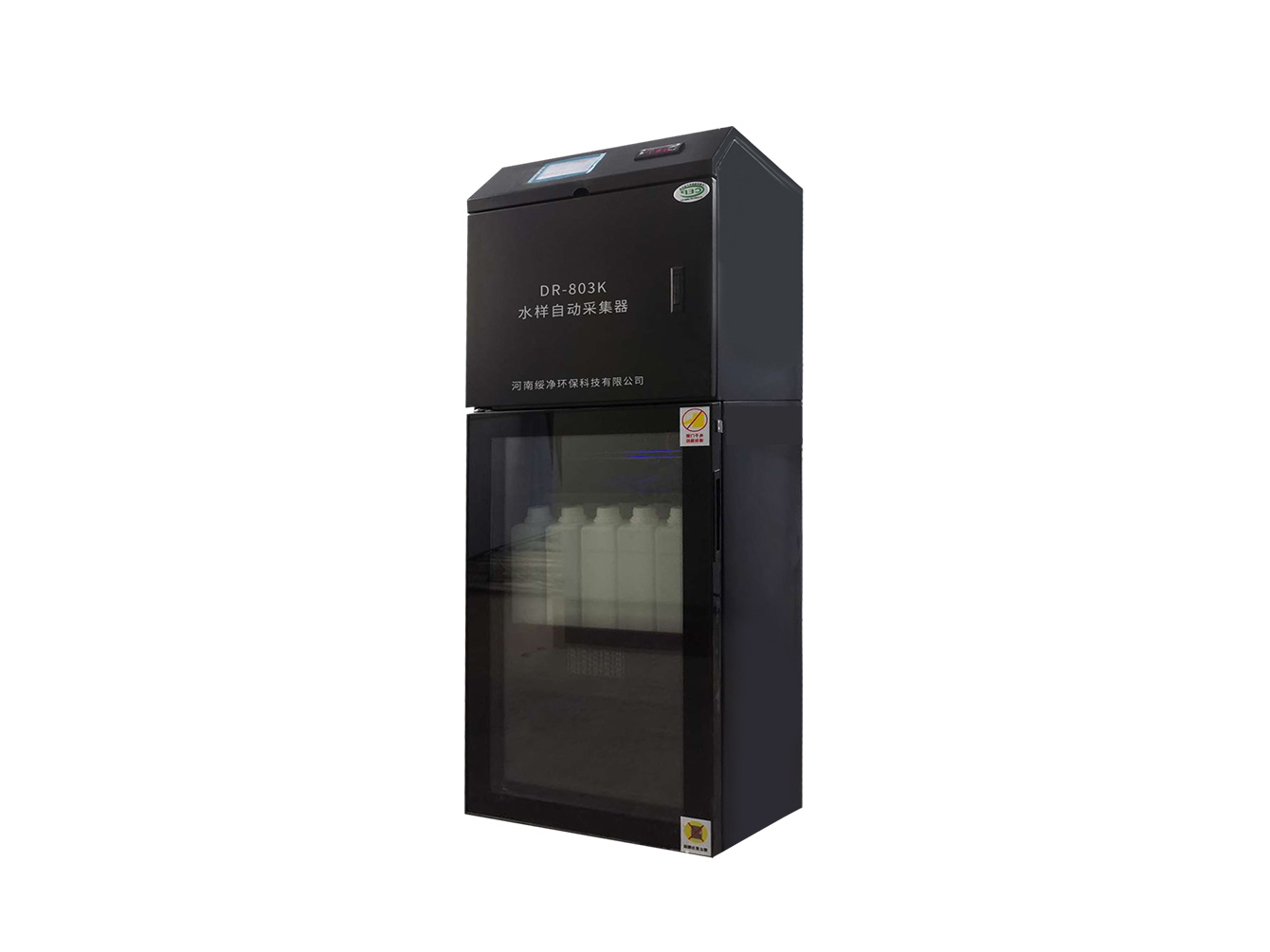
Automation is at the forefront of water sampling innovation. Automated systems can collect samples at predetermined intervals, ensuring consistent data collection without manual intervention.
Benefits of Automated Systems
- **Accuracy**: Reduces human error in sample collection.
- **Efficiency**: Saves time and labor costs by automating the sampling process.
- **Data Consistency**: Provides reliable data by eliminating variability in manual sampling.
Smart Water Sampling Devices
Smart devices equipped with sensors can monitor water quality parameters in real-time. These devices can transmit data to cloud platforms for analysis and reporting, enabling immediate decision-making.
Features of Smart Water Sampling Devices
- **Real-Time Monitoring**: Continuous tracking of water quality indicators, such as pH, turbidity, and temperature.
- **Data Integration**: Seamless integration with data management systems for comprehensive analysis.
- **Remote Access**: Ability to monitor water quality from any location via mobile or web applications.
Portable Water Sampling Kits
Portable kits are designed for field use, allowing professionals to collect samples in remote locations. These kits often include advanced filtration and preservation techniques to maintain sample integrity.
Advantages of Portable Water Sampling Kits
- **Convenience**: Easy to transport and deploy in various environments.
- **User-Friendly**: Typically designed for non-specialist users, making water sampling accessible to a wider audience.
- **Cost-Effective**: Reduces the need for laboratory services by allowing on-site testing.
Key Players in the Water Sampling Market
Several leading manufacturers are pioneering innovations in water sampling technology. Here’s a closer look at some of the key players:
1. Xylem Inc.
Xylem is a global leader in water technology. Their advanced water sampling products incorporate IoT capabilities for enhanced data collection and management.
2. Hach Company
Hach specializes in water quality analysis. Their comprehensive sampling solutions include automated systems and portable kits designed for various industries.
3. Thermo Fisher Scientific
Thermo Fisher is known for its high-precision analytical instruments. Their water sampling technologies integrate advanced filtration and analysis features.
4. Horiba Scientific
Horiba offers cutting-edge water quality monitoring solutions that cater to environmental research and compliance needs. Their products emphasize accuracy and user-friendliness.
Trends Shaping the Future of Water Sampling
The water sampling industry is influenced by several trends that are shaping its future:
Emphasis on Sustainability
Manufacturers are increasingly focusing on sustainable practices in their products. This includes using eco-friendly materials and reducing waste in sampling processes.
Integration of Artificial Intelligence
AI is being utilized to analyze water quality data more effectively. Machine learning algorithms can identify patterns and predict potential water quality issues before they arise.
Enhanced Data Analytics
With the rise of big data, water sampling technologies are incorporating advanced analytics to provide deeper insights into water quality trends and anomalies.
Best Practices for Effective Water Sampling
To ensure accurate and reliable water sampling results, certain best practices should be followed:
1. Proper Planning and Design
Before sampling, it is crucial to plan the locations, frequency, and timing of sample collection. This ensures that the data collected is representative of the water body.
2. Use of Appropriate Equipment
Selecting the right sampling equipment based on the specific parameters to be measured is key to obtaining accurate results.
3. Adherence to Protocols
Following standardized protocols for sample collection, handling, and storage minimizes the risk of contamination and alterations to the sample.
4. Regular Calibration and Maintenance
Regularly calibrating and maintaining sampling equipment ensures its accuracy and longevity.
Frequently Asked Questions (FAQs)
1. What is water sampling?
Water sampling is the process of collecting water samples for analysis to assess the quality and safety of water bodies.
2. Why is water sampling important?
Water sampling is crucial for ensuring public health, regulatory compliance, and environmental protection.
3. What are the different methods of water sampling?
Common methods include grab sampling, composite sampling, and automated sampling.
4. How often should water sampling be conducted?
The frequency of water sampling depends on the water body and its usage, but regular monitoring is recommended to ensure consistent quality assessments.
5. What advancements can we expect in water sampling technology?
Future advancements may include enhanced automation, smart devices with IoT capabilities, and improved data analytics for better decision-making.
Conclusion
The future of water sampling is bright, with innovative technologies and methods continuing to evolve. As we face increasing challenges related to water quality and environmental protection, the advancements from leading manufacturers play a critical role in ensuring safe and sustainable water resources. Embracing these innovations will not only enhance our ability to monitor water quality but will also pave the way for a healthier and more sustainable future. By staying informed and adopting the latest technologies, we can contribute to more effective water management practices that safeguard our precious water resources.
TAG:

Contact Us
E-mail :
andrew@genesit1.com
Phone:
+8615896508337
Address:
Chanhe Industrial Park,LuoYang City, Henan Province,China


SAF Coolest v1.3.1.2 设置面板 GAGSD-AGYF-JZZQE-ZAV
违禁词: 第一,最,一流,领先,独一无二,王者,龙头,领导者,极致,
无数据提示
Sorry,当前栏目正在更新中,敬请期待!
您可以查看其他栏目或返回 首页