GENESITE Environmental Protection Technology Co., Ltd.

Understanding the Importance of Conductivity Analyzers in Automotive Maintenance
Mar 14,2026
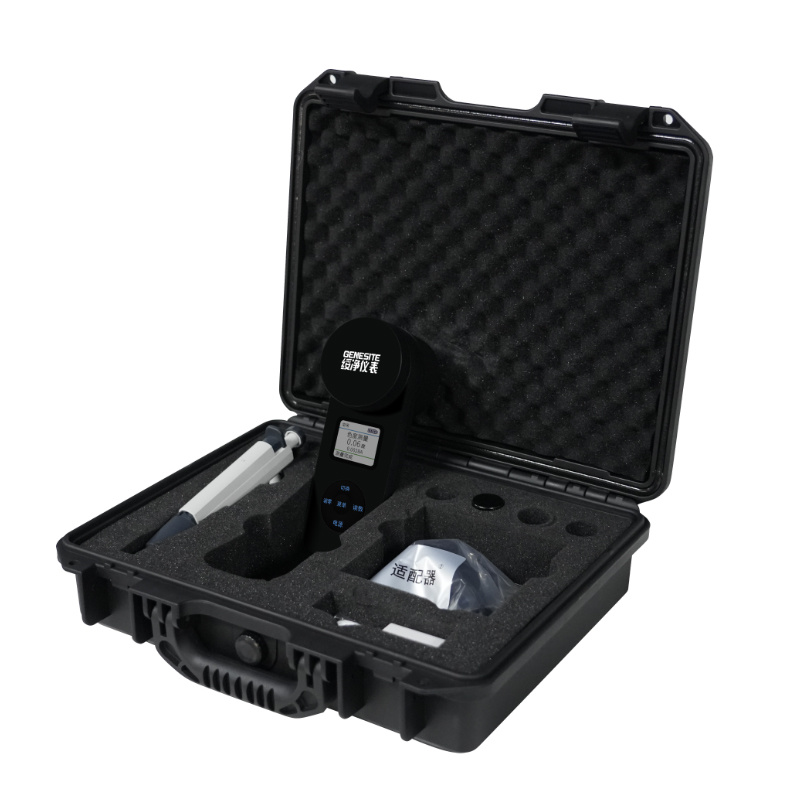
Conductivity analyzers play a critical role in the automotive repair and maintenance sector, particularly in ensuring the optimal performance of vehicles. These devices measure the conductivity of fluids, which is essential for diagnosing various issues related to vehicle systems. Understanding how conductivity analyzers work and their applications can greatly enhance maintenance practices in the automotive industry.
At its core, conductivity refers to a fluid's ability to conduct electricity. This property is influenced by the presence of ions in the fluid, which can indicate the quality or condition of that fluid. For automotive applications, conductivity analyzers are primarily used to assess the condition of coolant, brake fluid, and battery electrolyte. Monitoring these fluids is crucial, as their performance directly affects vehicle safety and functionality.
For instance, in the case of engine coolant, high conductivity levels may indicate contamination or degradation, which can lead to overheating and engine damage if not addressed. By using a conductivity analyzer, automotive technicians can quickly determine whether the coolant requires replacement or treatment. This proactive approach not only helps in preventing major repairs but also extends the lifespan of the vehicle.
Moreover, conductivity analyzers are essential for maintaining brake fluid. Contaminated brake fluid can compromise braking efficiency, posing a significant safety risk. Regular testing of the brake fluid using a conductivity analyzer allows technicians to ensure that the fluid remains within acceptable conductivity ranges, thus ensuring reliable braking performance.
In addition to fluids, conductivity analyzers can also be utilized to monitor the health of batteries. The electrolyte solution in batteries should have a specific conductivity range for optimal performance. A drop in conductivity can indicate a failing battery, prompting early intervention and replacement before the battery fails entirely. This aspect is particularly crucial in modern vehicles, where electronic systems rely heavily on battery functionality.
In conclusion, conductivity analyzers are invaluable tools in the automotive maintenance toolkit. They not only help in assessing the condition of vital fluids but also contribute to enhancing vehicle performance and safety. By integrating these analyzers into routine maintenance practices, automotive professionals can ensure that vehicles operate efficiently and safely, ultimately benefiting both the service providers and vehicle owners alike. Understanding the importance of conductivity analyzers is essential for anyone involved in the automotive repair industry, as it leads to more informed decisions and improved service quality.
At its core, conductivity refers to a fluid's ability to conduct electricity. This property is influenced by the presence of ions in the fluid, which can indicate the quality or condition of that fluid. For automotive applications, conductivity analyzers are primarily used to assess the condition of coolant, brake fluid, and battery electrolyte. Monitoring these fluids is crucial, as their performance directly affects vehicle safety and functionality.
For instance, in the case of engine coolant, high conductivity levels may indicate contamination or degradation, which can lead to overheating and engine damage if not addressed. By using a conductivity analyzer, automotive technicians can quickly determine whether the coolant requires replacement or treatment. This proactive approach not only helps in preventing major repairs but also extends the lifespan of the vehicle.
Moreover, conductivity analyzers are essential for maintaining brake fluid. Contaminated brake fluid can compromise braking efficiency, posing a significant safety risk. Regular testing of the brake fluid using a conductivity analyzer allows technicians to ensure that the fluid remains within acceptable conductivity ranges, thus ensuring reliable braking performance.
In addition to fluids, conductivity analyzers can also be utilized to monitor the health of batteries. The electrolyte solution in batteries should have a specific conductivity range for optimal performance. A drop in conductivity can indicate a failing battery, prompting early intervention and replacement before the battery fails entirely. This aspect is particularly crucial in modern vehicles, where electronic systems rely heavily on battery functionality.
In conclusion, conductivity analyzers are invaluable tools in the automotive maintenance toolkit. They not only help in assessing the condition of vital fluids but also contribute to enhancing vehicle performance and safety. By integrating these analyzers into routine maintenance practices, automotive professionals can ensure that vehicles operate efficiently and safely, ultimately benefiting both the service providers and vehicle owners alike. Understanding the importance of conductivity analyzers is essential for anyone involved in the automotive repair industry, as it leads to more informed decisions and improved service quality.
TAG:

Contact Us
E-mail :
andrew@genesit1.com
Phone:
+8615896508337
Address:
Chanhe Industrial Park,LuoYang City, Henan Province,China


SAF Coolest v1.3.1.2 设置面板 GAGSD-AGYF-JZZQE-ZAV
违禁词: 第一,最,一流,领先,独一无二,王者,龙头,领导者,极致,
无数据提示
Sorry,当前栏目正在更新中,敬请期待!
您可以查看其他栏目或返回 首页