GENESITE Environmental Protection Technology Co., Ltd.

Why You Need a Multiparameter Water Quality Probe for Accurate Readings
May 05,2026
Understanding the Importance of Accurate Water Quality Measurements
Water is an invaluable natural resource, essential for life, sustainability, and industrial processes. As the demand for clean water rises, so does the necessity for effective monitoring of water quality. The need for precise measurements in various applications—from environmental monitoring to industrial processes—stands paramount. This article explores why a multiparameter water quality probe is an indispensable tool for achieving accurate readings.
What is a Multiparameter Water Quality Probe?
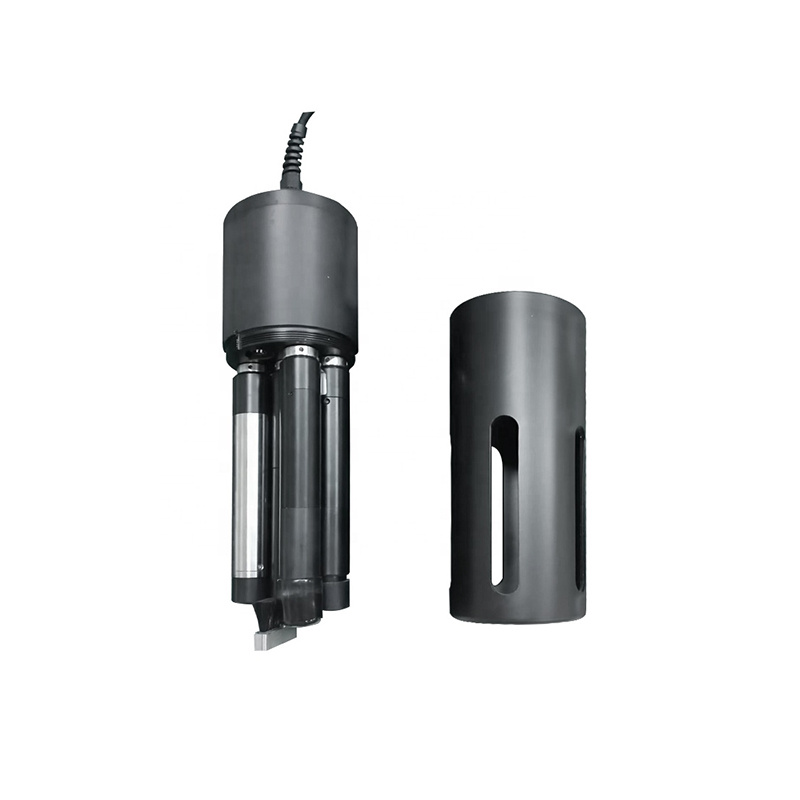
A multiparameter water quality probe is a sophisticated device designed to measure multiple parameters of water quality simultaneously. These parameters may include pH, dissolved oxygen, turbidity, conductivity, temperature, and more. Unlike single-parameter devices, multiparameter probes offer a holistic view of water quality, making them ideal for various applications.
Key Features of Multiparameter Water Quality Probes
1. **Simultaneous Measurements**: These probes can measure various water quality parameters at once, reducing the time and effort needed for testing.
2. **High Accuracy and Precision**: Multiparameter probes provide reliable and accurate readings, essential for compliance with environmental regulations.
3. **User-Friendly Interfaces**: Many modern probes come equipped with intuitive displays, making data interpretation straightforward even for non-experts.
4. **Durability**: Designed for harsh environments, many probes are robust and resistant to corrosion, ensuring longevity.
5. **Data Logging and Connectivity**: Advanced models can log data over time and connect to various devices for real-time monitoring and analysis.
Applications of Multiparameter Water Quality Probes
Multiparameter water quality probes find application in multiple fields, including:
- **Environmental Monitoring**: Used for assessing water bodies in lakes, rivers, and oceans to ensure environmental compliance and assess ecosystem health.
- **Industrial Processes**: Essential in industries such as pharmaceuticals, food and beverage, and manufacturing, where water quality is critical.
- **Aquaculture**: Vital for monitoring the health of aquatic life by ensuring optimal water conditions.
- **Wastewater Treatment**: Helps in evaluating and optimizing treatment processes, enhancing the efficiency of wastewater management systems.
Why Accurate Water Quality Readings Matter
Maintaining water quality is crucial for health, safety, and environmental sustainability. Here are several reasons why accurate readings from a multiparameter water quality probe are essential:
Promoting Public Health
Accurate water quality measurements are vital for ensuring safe drinking water. Contaminated water can lead to serious health issues, including waterborne diseases. By utilizing a multiparameter probe, municipalities can monitor water quality effectively, thereby safeguarding public health.
Environmental Protection
Water bodies are home to diverse ecosystems. Accurate monitoring helps in understanding the ecological balance, identifying pollution sources, and implementing necessary remediation efforts.
Regulatory Compliance
Industries must comply with stringent regulatory standards concerning water quality. Multiparameter probes help organizations meet these requirements, avoiding legal repercussions and promoting good practices.
Cost-Effectiveness
Utilizing a multiparameter probe can save costs in the long run. By providing comprehensive data, these probes facilitate informed decision-making, leading to reduced operational costs and enhanced efficiency in water management practices.
Choosing the Right Multiparameter Water Quality Probe
When selecting a multiparameter water quality probe, several factors must be considered to ensure it meets specific needs:
Parameter Range
Consider which parameters are essential for your application. Not all probes measure the same parameters. An ideal probe should align with your monitoring goals.
Calibration and Maintenance
Ensure that the probe is easy to calibrate and maintain. Regular calibration is crucial for accurate measurements, so look for models that simplify this process.
Portability
Depending on your needs, portability may be a key factor. Some probes are designed for field use, while others are better suited for laboratory environments.
Data Management Capabilities
Evaluate the data management features. Probes that offer data logging, connectivity, and integration with software solutions can enhance your monitoring capabilities.
How to Use a Multiparameter Water Quality Probe
Using a multiparameter water quality probe involves several straightforward steps:
Calibration
Before using the probe, calibrate it according to the manufacturer's instructions. This process typically involves adjusting the probe to known standards to ensure accurate readings.
Sampling
Collect water samples carefully to avoid contamination. If you're using the probe in situ, immerse it directly into the water body, ensuring it reaches the required depth.
Taking Measurements
Once the probe is submerged, allow it to stabilize before taking readings. Most modern probes have a display that shows real-time measurements.
Data Recording and Analysis
Record the data as necessary. For probes with data logging capabilities, retrieve this data later for detailed analysis.
Maintenance
Regular maintenance is essential for ensuring long-term accuracy. Clean the probe according to the manufacturer's recommendations and perform periodic calibration.
Common Challenges in Water Quality Monitoring
Although multiparameter water quality probes are powerful tools, challenges can arise:
Interference from Environmental Factors
Environmental factors such as temperature variations and biological activity can influence readings. Understanding these factors can improve data interpretation.
Requires Regular Calibration
To maintain accuracy, probes require regular calibration. Failing to do so can lead to misleading results.
Potential for Sensor Drift
Over time, sensors may drift from their calibrated settings. Regular monitoring and recalibration are necessary to mitigate this issue.
FAQs About Multiparameter Water Quality Probes
What parameters can a multiparameter water quality probe measure?
A multiparameter water quality probe can measure various parameters, including pH, dissolved oxygen, turbidity, conductivity, and temperature.
How often should I calibrate my water quality probe?
Calibration frequency depends on usage and environmental conditions. Generally, calibrating before each use or at least once a month is advisable.
Are multiparameter probes portable?
Many multiparameter probes are designed for portability, making them suitable for field tests. However, some models are more robust for laboratory settings.
Can I connect the probe to my computer?
Yes, many modern multiparameter probes come equipped with connectivity features that allow data transfer to computers or mobile devices for further analysis.
What should I do if my probe gives inaccurate readings?
If you suspect inaccurate readings, check the calibration, inspect the probe for damage, and clean it if necessary. Always refer to the manufacturer’s troubleshooting guide.
Conclusion
In an era where water quality is under increasing scrutiny, the need for accurate and reliable measurement tools cannot be overstated. A multiparameter water quality probe stands out as an essential instrument for obtaining precise readings across various applications. By ensuring that water quality is monitored effectively, we can protect public health, the environment, and comply with regulations. Investing in a multiparameter probe is not just a choice; it's a commitment to quality, safety, and sustainability.
TAG:

Contact Us
E-mail :
andrew@genesit1.com
Phone:
+8615896508337
Address:
Chanhe Industrial Park,LuoYang City, Henan Province,China


SAF Coolest v1.3.1.2 设置面板 GAGSD-AGYF-JZZQE-ZAV
违禁词: 第一,最,一流,领先,独一无二,王者,龙头,领导者,极致,
无数据提示
Sorry,当前栏目正在更新中,敬请期待!
您可以查看其他栏目或返回 首页