GENESITE Environmental Protection Technology Co., Ltd.

Unlocking the Potential of Quality Chlorine Dioxide Sensors for Enhanced Monitoring
May 09,2026
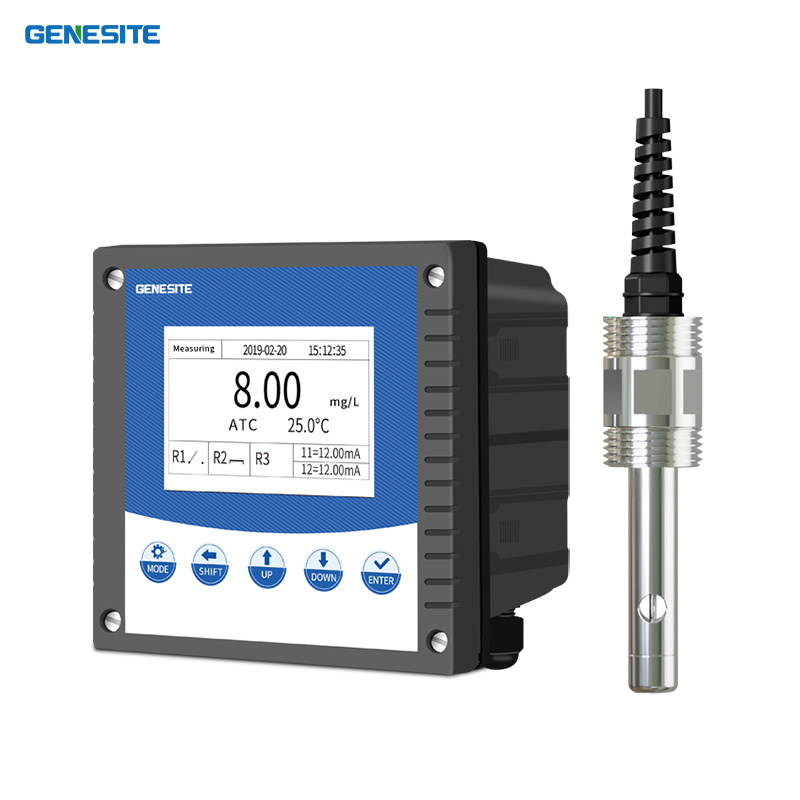
Chlorine dioxide sensors play a significant role in monitoring and controlling chlorine dioxide levels in various environments. These sensors are essential in industries such as water treatment, food processing, and even in certain healthcare applications. The quality of a chlorine dioxide sensor directly impacts its effectiveness, reliability, and overall performance. Understanding the features and functionalities of quality chlorine dioxide sensors can greatly benefit users in selecting the right sensor for their specific needs.
One of the key factors to consider when evaluating a quality chlorine dioxide sensor is its sensitivity and accuracy. A high-quality sensor should provide precise readings at low concentrations, ensuring that even minimal fluctuations in chlorine dioxide levels are detected. This capability is crucial in maintaining safe and optimal operational conditions, especially in environments where chlorine dioxide is used as a disinfectant.
Another important aspect is the response time of the sensor. Quality chlorine dioxide sensors typically offer quick response times, allowing for real-time monitoring and immediate action when necessary. This feature is particularly beneficial in applications where rapid detection of chlorine dioxide levels is essential for safety and compliance.
Durability and stability are also critical when assessing the quality of chlorine dioxide sensors. A robust sensor should be able to withstand harsh environmental conditions, such as temperature fluctuations and high humidity, without compromising its performance. Long-term stability ensures that the sensor can provide consistent and reliable readings over time, decreasing the need for frequent recalibration or replacement.
Furthermore, the ease of installation and integration into existing systems is a vital consideration. Quality chlorine dioxide sensors should be user-friendly and compatible with various monitoring systems. This helps streamline the installation process, allowing users to quickly implement effective monitoring solutions without extensive downtime.
In addition to these technical specifications, it is also beneficial to consider the support and resources available from the manufacturer or supplier of the chlorine dioxide sensor. Quality manufacturers often provide comprehensive documentation, including user manuals and troubleshooting guides, which can be invaluable when it comes to installation, maintenance, and optimizing sensor performance.
In conclusion, investing in a quality chlorine dioxide sensor is essential for effective monitoring and control in various applications. By understanding the features that define a high-quality sensor, users can make informed decisions that enhance safety and operational efficiency. Whether in water treatment facilities or food processing plants, quality chlorine dioxide sensors serve as indispensable tools for maintaining the health and safety of both products and people.
One of the key factors to consider when evaluating a quality chlorine dioxide sensor is its sensitivity and accuracy. A high-quality sensor should provide precise readings at low concentrations, ensuring that even minimal fluctuations in chlorine dioxide levels are detected. This capability is crucial in maintaining safe and optimal operational conditions, especially in environments where chlorine dioxide is used as a disinfectant.
Another important aspect is the response time of the sensor. Quality chlorine dioxide sensors typically offer quick response times, allowing for real-time monitoring and immediate action when necessary. This feature is particularly beneficial in applications where rapid detection of chlorine dioxide levels is essential for safety and compliance.
Durability and stability are also critical when assessing the quality of chlorine dioxide sensors. A robust sensor should be able to withstand harsh environmental conditions, such as temperature fluctuations and high humidity, without compromising its performance. Long-term stability ensures that the sensor can provide consistent and reliable readings over time, decreasing the need for frequent recalibration or replacement.
Furthermore, the ease of installation and integration into existing systems is a vital consideration. Quality chlorine dioxide sensors should be user-friendly and compatible with various monitoring systems. This helps streamline the installation process, allowing users to quickly implement effective monitoring solutions without extensive downtime.
In addition to these technical specifications, it is also beneficial to consider the support and resources available from the manufacturer or supplier of the chlorine dioxide sensor. Quality manufacturers often provide comprehensive documentation, including user manuals and troubleshooting guides, which can be invaluable when it comes to installation, maintenance, and optimizing sensor performance.
In conclusion, investing in a quality chlorine dioxide sensor is essential for effective monitoring and control in various applications. By understanding the features that define a high-quality sensor, users can make informed decisions that enhance safety and operational efficiency. Whether in water treatment facilities or food processing plants, quality chlorine dioxide sensors serve as indispensable tools for maintaining the health and safety of both products and people.
TAG:
PREVIOUS:

Contact Us
E-mail :
andrew@genesit1.com
Phone:
+8615896508337
Address:
Chanhe Industrial Park,LuoYang City, Henan Province,China


SAF Coolest v1.3.1.2 设置面板 GAGSD-AGYF-JZZQE-ZAV
违禁词: 第一,最,一流,领先,独一无二,王者,龙头,领导者,极致,
无数据提示
Sorry,当前栏目正在更新中,敬请期待!
您可以查看其他栏目或返回 首页