GENESITE Environmental Protection Technology Co., Ltd.

Understanding Turbidity Detectors: Key Insights for Exporters
May 17,2026
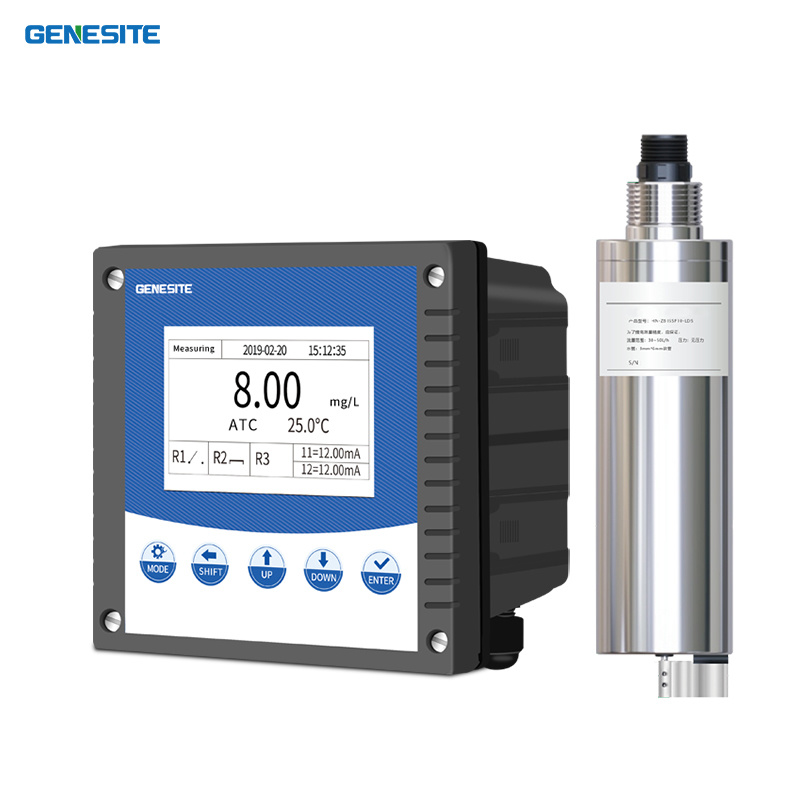
Turbidity detectors play a crucial role in assessing water quality, making them indispensable tools for environmental monitoring. As an exporter in the industry of environmental detection instruments, it is important to understand the applications, market demand, and the key features that differentiate various turbidity detectors.
Turbidity, measured in Nephelometric Turbidity Units (NTU), refers to the cloudiness or haziness of a fluid caused by large numbers of individual particles that are generally invisible to the naked eye. These particles can include sediments, microorganisms, and pollutants, which can adversely affect aquatic ecosystems and public health. Thus, turbidity detectors are essential for industries such as water treatment, aquaculture, and environmental research.
When considering the export of turbidity detectors, it is vital to be aware of the varying regulations and standards in different countries. Compliance with international standards for quality and safety is essential for successful market entry. An understanding of the technical specifications, such as the detection range, resolution, and response time, can also aid in positioning your products effectively in the global market.
In addition to compliance, another significant aspect is the technology behind turbidity detection. Modern turbidity detectors utilize advanced optical methods, including laser diffraction and nephelometry, to provide accurate and reliable measurements. Exporters should focus on the technological advancements that enhance the performance and reliability of these detectors, as customers increasingly seek precision instruments.
Moreover, customer education is an invaluable aspect of the turbidity detector market. Providing potential clients with detailed product information, including operation manuals and maintenance guidelines, can establish trust and enhance customer satisfaction. By offering training sessions or informational webinars, exporters can further position themselves as industry leaders.
Market trends indicate a growing demand for turbidity detectors, driven by increasing environmental concerns and stricter regulations regarding water quality. Exporters should be prepared to adapt to these trends by incorporating innovations such as real-time monitoring and data analytics capabilities into their product offerings. This adaptability will not only meet customer needs but also enhance competitive advantage.
In conclusion, for exporters of turbidity detectors, understanding the technology, complying with international standards, and engaging in customer education are key factors for success. By focusing on these areas, businesses can effectively navigate the complexities of the environmental detection instrument market and contribute to improving water quality worldwide.
Turbidity, measured in Nephelometric Turbidity Units (NTU), refers to the cloudiness or haziness of a fluid caused by large numbers of individual particles that are generally invisible to the naked eye. These particles can include sediments, microorganisms, and pollutants, which can adversely affect aquatic ecosystems and public health. Thus, turbidity detectors are essential for industries such as water treatment, aquaculture, and environmental research.
When considering the export of turbidity detectors, it is vital to be aware of the varying regulations and standards in different countries. Compliance with international standards for quality and safety is essential for successful market entry. An understanding of the technical specifications, such as the detection range, resolution, and response time, can also aid in positioning your products effectively in the global market.
In addition to compliance, another significant aspect is the technology behind turbidity detection. Modern turbidity detectors utilize advanced optical methods, including laser diffraction and nephelometry, to provide accurate and reliable measurements. Exporters should focus on the technological advancements that enhance the performance and reliability of these detectors, as customers increasingly seek precision instruments.
Moreover, customer education is an invaluable aspect of the turbidity detector market. Providing potential clients with detailed product information, including operation manuals and maintenance guidelines, can establish trust and enhance customer satisfaction. By offering training sessions or informational webinars, exporters can further position themselves as industry leaders.
Market trends indicate a growing demand for turbidity detectors, driven by increasing environmental concerns and stricter regulations regarding water quality. Exporters should be prepared to adapt to these trends by incorporating innovations such as real-time monitoring and data analytics capabilities into their product offerings. This adaptability will not only meet customer needs but also enhance competitive advantage.
In conclusion, for exporters of turbidity detectors, understanding the technology, complying with international standards, and engaging in customer education are key factors for success. By focusing on these areas, businesses can effectively navigate the complexities of the environmental detection instrument market and contribute to improving water quality worldwide.
TAG:
PREVIOUS:

Contact Us
E-mail :
andrew@genesit1.com
Phone:
+8615896508337
Address:
Chanhe Industrial Park,LuoYang City, Henan Province,China


SAF Coolest v1.3.1.2 设置面板 GAGSD-AGYF-JZZQE-ZAV
违禁词: 第一,最,一流,领先,独一无二,王者,龙头,领导者,极致,
无数据提示
Sorry,当前栏目正在更新中,敬请期待!
您可以查看其他栏目或返回 首页