GENESITE Environmental Protection Technology Co., Ltd.

Exploring the Benefits of China-Made Calcium Ion Sensors in Industrial Applications
May 13,2026
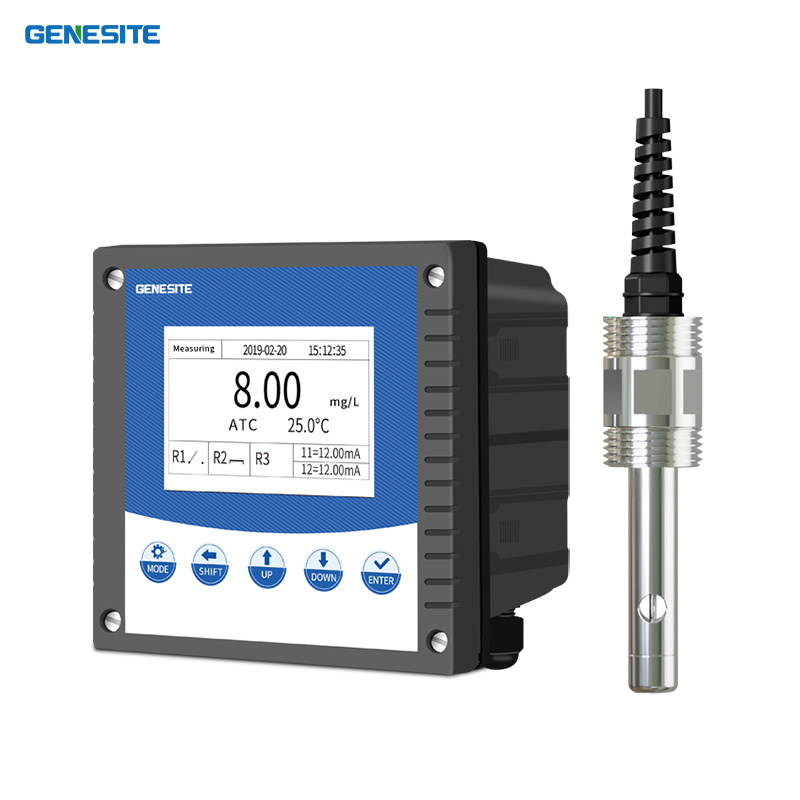
Exploring the Benefits of China-Made Calcium Ion Sensors in Industrial Applications
Table of Contents
- Introduction to Calcium Ion Sensors
- What Are Calcium Ion Sensors?
- Importance of Calcium Ion Sensors in Industrial Applications
- Benefits of China-Made Calcium Ion Sensors
- Technological Advancements in Calcium Ion Sensors
- Applications of Calcium Ion Sensors in Various Industries
- Challenges and Solutions in Utilizing Calcium Ion Sensors
- The Future of Calcium Ion Sensors in Industrial Settings
- Conclusion
- FAQs
Introduction to Calcium Ion Sensors
Calcium ion sensors are essential devices that detect and measure calcium ions in various environments. In industrial applications, they are utilized for monitoring processes, ensuring quality control, and enhancing operational efficiency. As industries evolve, the demand for reliable and accurate sensing technologies increases, making **China-made calcium ion sensors** a crucial focus. This article explores the numerous benefits these sensors offer in industrial settings, shedding light on their importance and technological advancements.
What Are Calcium Ion Sensors?
Calcium ion sensors are specialized devices designed to detect the presence and concentration of calcium ions in a solution. These sensors utilize advanced technologies, such as ion-selective electrodes (ISE), to provide real-time data on calcium levels. They play a pivotal role in various industries, including food and beverage, pharmaceuticals, and environmental monitoring.
**Key Features of Calcium Ion Sensors:**
- **Sensitivity:** High sensitivity to low concentrations of calcium ions.
- **Selectivity:** Ability to distinguish calcium ions from other ions in complex solutions.
- **Real-Time Monitoring:** Instantaneous data, enabling quick decision-making.
Importance of Calcium Ion Sensors in Industrial Applications
In industrial applications, the accurate measurement of calcium ions is critical for several reasons. Calcium plays a vital role in various processes, from regulating enzymatic reactions to influencing the quality of products. Therefore, employing calcium ion sensors can significantly impact operational efficiency and product quality.
**Key Importance Factors:**
- **Quality Control:** Ensures that products meet quality standards.
- **Process Optimization:** Helps in fine-tuning processes by providing accurate data.
- **Regulatory Compliance:** Assists in adhering to regulations regarding chemical composition.
Benefits of China-Made Calcium Ion Sensors
China-made calcium ion sensors bring a host of benefits, making them an attractive choice for many industries. These advantages stem from their advanced manufacturing processes, cost-effectiveness, and robust performance.
**1. Cost Efficiency**
One of the most compelling reasons to consider China-made calcium ion sensors is their cost efficiency. These sensors are often available at a fraction of the price compared to their counterparts from other regions. This affordability allows businesses to invest in high-quality technology without straining their budgets.
**2. Advanced Technology**
Chinese manufacturers are at the forefront of sensor technology, consistently innovating and improving their products. These advancements lead to sensors with enhanced sensitivity, accuracy, and durability, ensuring reliable performance in demanding industrial environments.
**3. Rapid Manufacturing and Supply**
The manufacturing infrastructure in China allows for rapid production and supply of calcium ion sensors. Industries can benefit from reduced lead times and quick access to the latest technologies, allowing them to stay competitive.
**4. Extensive Product Range**
China offers a wide variety of calcium ion sensors designed for different industrial applications. This diversity ensures that businesses can find a sensor that perfectly fits their specific needs and operational requirements.
**5. Strong Support and Services**
Many manufacturers in China provide excellent after-sales support, including technical assistance and warranty services. This support is crucial for industries relying on continuous uptime and performance.
Technological Advancements in Calcium Ion Sensors
The landscape of calcium ion sensors is evolving rapidly due to advancements in technology. Innovations are focused on improving accuracy and usability while minimizing maintenance requirements.
**1. Nanotechnology**
The integration of nanotechnology into sensor design is revolutionizing the industry. Nanoscale materials enhance the sensitivity and response time of calcium ion sensors, allowing for more precise measurements.
**2. Wireless Technology**
Modern calcium ion sensors often incorporate wireless technology, enabling seamless data transmission to centralized monitoring systems. This feature facilitates real-time monitoring and data analysis, enhancing operational efficiency.
**3. Miniaturization**
The trend towards miniaturization has led to the development of compact sensors without compromising performance. These smaller devices are easier to install and can operate in confined spaces, making them ideal for various industrial applications.
**4. Smart Sensors**
Smart calcium ion sensors equipped with advanced algorithms can analyze data and provide predictive insights. This capability allows industries to anticipate issues and make proactive decisions, significantly improving operational efficiency.
Applications of Calcium Ion Sensors in Various Industries
Calcium ion sensors are versatile devices used across multiple industries. Their ability to provide accurate measurements makes them invaluable in several applications.
**1. Food and Beverage Industry**
In food production, calcium ion sensors monitor calcium levels to ensure consistency and quality in products like dairy and beverages. Maintaining the right calcium concentration is vital for flavor, texture, and nutritional value.
**2. Pharmaceutical Manufacturing**
Calcium ion sensors play a crucial role in pharmaceutical manufacturing, where precision is paramount. They help ensure that the calcium content in medications is consistent, meeting the strict regulatory requirements.
**3. Environmental Monitoring**
In environmental applications, these sensors are used to monitor water quality, particularly in bodies of water affected by agricultural runoff. Accurate calcium measurements can indicate ecological health and inform remediation efforts.
**4. Agriculture**
Calcium is an essential nutrient for crops. Sensors help farmers monitor soil calcium levels to optimize fertilization strategies, ensuring healthy plant growth and maximizing yield.
**5. Chemical Manufacturing**
In chemical processes, maintaining the correct calcium concentration is vital for product consistency. Calcium ion sensors aid in monitoring and controlling these processes, ensuring optimal production outcomes.
Challenges and Solutions in Utilizing Calcium Ion Sensors
While calcium ion sensors offer numerous advantages, there are challenges in their implementation that industries must address.
**1. Calibration and Maintenance**
Regular calibration and maintenance are necessary to ensure accurate readings. Industries can adopt automated calibration systems to alleviate the burden of manual calibration, ensuring long-term reliability.
**2. Environmental Interference**
Environmental factors such as temperature, pH, and the presence of other ions can interfere with sensor performance. Utilizing advanced materials and designs can help mitigate these interferences, allowing for more accurate measurements.
**3. Initial Cost Investment**
While China-made sensors are generally more affordable, the initial investment can still be a concern for some businesses. Companies can view the purchase as a long-term investment, considering the cost savings from improved efficiency and reduced errors.
**4. Data Management**
The integration of calcium ion sensors into existing data management systems can be challenging. Adopting compatible software solutions that facilitate data analysis and reporting will enhance decision-making processes.
The Future of Calcium Ion Sensors in Industrial Settings
The future of calcium ion sensors looks promising as technology continues to advance. With ongoing innovations in materials and connectivity, we can expect to see the following trends:
**1. Increased Automation**
As industries move towards full automation, the integration of calcium ion sensors into automated systems will become more prevalent. This shift will enhance operational efficiency and reduce human error.
**2. Enhanced Connectivity**
The rise of the Internet of Things (IoT) will lead to smarter calcium ion sensors capable of communicating with other devices. This connectivity will provide deeper insights into processes and facilitate more informed decision-making.
**3. Focus on Sustainability**
As industries embrace sustainable practices, calcium ion sensors will play a key role in monitoring environmental impacts and ensuring compliance with regulations.
**4. Customization and Personalization**
As demand for tailored solutions increases, manufacturers will focus on creating customizable calcium ion sensors that meet specific industry needs.
Conclusion
China-made calcium ion sensors are revolutionizing industrial applications by providing reliable, accurate, and cost-effective solutions for monitoring calcium levels. With advancements in technology and a wide range of applications, these sensors are essential tools for industries aiming to enhance quality control, optimize processes, and ensure regulatory compliance. As we move towards a more automated and connected industrial landscape, the benefits of calcium ion sensors will only continue to expand, solidifying their place in the future of industrial technology.
FAQs
**1. What are calcium ion sensors used for?**
Calcium ion sensors are primarily used to detect and monitor calcium levels in various industrial applications, including food and beverage production, pharmaceuticals, and environmental monitoring.
**2. Why are China-made calcium ion sensors more affordable?**
China’s advanced manufacturing capabilities and economies of scale allow for competitive pricing, making their calcium ion sensors more cost-effective compared to those from other regions.
**3. How do calcium ion sensors work?**
Calcium ion sensors typically use ion-selective electrodes that respond to the presence of calcium ions, providing real-time measurement of ion concentration in a solution.
**4. What industries benefit from calcium ion sensors?**
Industries such as food and beverage, pharmaceuticals, agriculture, chemical manufacturing, and environmental monitoring benefit significantly from the use of calcium ion sensors.
**5. What challenges are associated with calcium ion sensors?**
Challenges include the need for regular calibration and maintenance, environmental interference, initial cost investment, and integrating data management systems.
**6. How can businesses ensure accurate readings from calcium ion sensors?**
Regular calibration, using high-quality materials, and implementing automated systems for maintenance can help ensure accurate sensor readings over time.
TAG:
PREVIOUS:

Contact Us
E-mail :
andrew@genesit1.com
Phone:
+8615896508337
Address:
Chanhe Industrial Park,LuoYang City, Henan Province,China


SAF Coolest v1.3.1.2 设置面板 GAGSD-AGYF-JZZQE-ZAV
违禁词: 第一,最,一流,领先,独一无二,王者,龙头,领导者,极致,
无数据提示
Sorry,当前栏目正在更新中,敬请期待!
您可以查看其他栏目或返回 首页