GENESITE Environmental Protection Technology Co., Ltd.

Unlocking the Potential of Customized COD Sensors for Enhanced Environmental Monitoring
Jun 02,2026
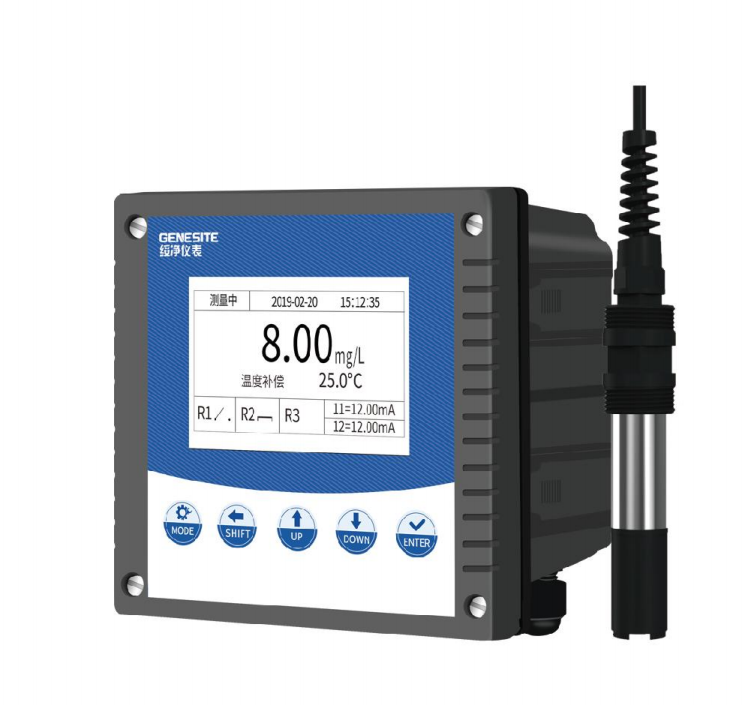
When it comes to environmental monitoring, particularly in water quality assessment, the importance of customized COD (Chemical Oxygen Demand) sensors cannot be overstated. These sensors play a crucial role in measuring the amount of organic pollutants in water, providing essential data for industries such as wastewater management, aquaculture, and environmental research. Customized COD sensors are specifically designed to meet the unique requirements of various applications, ensuring precision and reliability in data collection.
One of the key advantages of utilizing customized COD sensors is their adaptability to different environments and conditions. Traditional sensors may not always deliver accurate readings due to variations in temperature, pressure, or the presence of interfering substances. By opting for a customized solution, professionals can ensure that the sensors are calibrated and designed to function optimally in their specific operational settings. This results in minimized errors and more reliable data, which is vital for making informed decisions in environmental management.
In addition to adaptability, customized COD sensors can be designed with various features that cater to different user needs. For instance, some sensors can be integrated with advanced data logging capabilities, enabling real-time monitoring and remote data access. This is particularly beneficial for industries that require continuous oversight of water quality, allowing for quick responses to potential issues. Furthermore, these sensors can be tailored with varying sensitivity levels, detection ranges, and even specialized coatings to enhance their durability in harsh environments.
When considering the implementation of customized COD sensors, professionals should also take into account the regulatory requirements that govern water quality monitoring in their respective industries. Understanding these regulations is crucial as it dictates the necessary specifications and performance standards for sensors used in compliance with environmental laws.
Moreover, collaborating with experienced manufacturers or suppliers of electronic components can significantly enhance the customization process. These partnerships enable professionals to benefit from expert insights and advice, ensuring that the final product aligns with both technical requirements and operational goals. In this rapidly evolving field, staying informed about the latest advancements in sensor technology will also help in making better choices regarding customized solutions.
In summary, customized COD sensors are invaluable tools for enhancing environmental monitoring efforts. Their adaptability, advanced features, and alignment with regulatory standards make them essential in various sectors. As the demand for precise and reliable water quality assessment grows, investing in tailored solutions like customized COD sensors will undoubtedly contribute to more effective environmental management practices.
One of the key advantages of utilizing customized COD sensors is their adaptability to different environments and conditions. Traditional sensors may not always deliver accurate readings due to variations in temperature, pressure, or the presence of interfering substances. By opting for a customized solution, professionals can ensure that the sensors are calibrated and designed to function optimally in their specific operational settings. This results in minimized errors and more reliable data, which is vital for making informed decisions in environmental management.
In addition to adaptability, customized COD sensors can be designed with various features that cater to different user needs. For instance, some sensors can be integrated with advanced data logging capabilities, enabling real-time monitoring and remote data access. This is particularly beneficial for industries that require continuous oversight of water quality, allowing for quick responses to potential issues. Furthermore, these sensors can be tailored with varying sensitivity levels, detection ranges, and even specialized coatings to enhance their durability in harsh environments.
When considering the implementation of customized COD sensors, professionals should also take into account the regulatory requirements that govern water quality monitoring in their respective industries. Understanding these regulations is crucial as it dictates the necessary specifications and performance standards for sensors used in compliance with environmental laws.
Moreover, collaborating with experienced manufacturers or suppliers of electronic components can significantly enhance the customization process. These partnerships enable professionals to benefit from expert insights and advice, ensuring that the final product aligns with both technical requirements and operational goals. In this rapidly evolving field, staying informed about the latest advancements in sensor technology will also help in making better choices regarding customized solutions.
In summary, customized COD sensors are invaluable tools for enhancing environmental monitoring efforts. Their adaptability, advanced features, and alignment with regulatory standards make them essential in various sectors. As the demand for precise and reliable water quality assessment grows, investing in tailored solutions like customized COD sensors will undoubtedly contribute to more effective environmental management practices.
TAG:

Contact Us
E-mail :
andrew@genesit1.com
Phone:
+8615896508337
Address:
Chanhe Industrial Park,LuoYang City, Henan Province,China


SAF Coolest v1.3.1.2 设置面板 GAGSD-AGYF-JZZQE-ZAV
违禁词: 第一,最,一流,领先,独一无二,王者,龙头,领导者,极致,
无数据提示
Sorry,当前栏目正在更新中,敬请期待!
您可以查看其他栏目或返回 首页