GENESITE Environmental Protection Technology Co., Ltd.

From Concept to Reality: The Journey of Advanced Sensor Development
Jun 06,2026
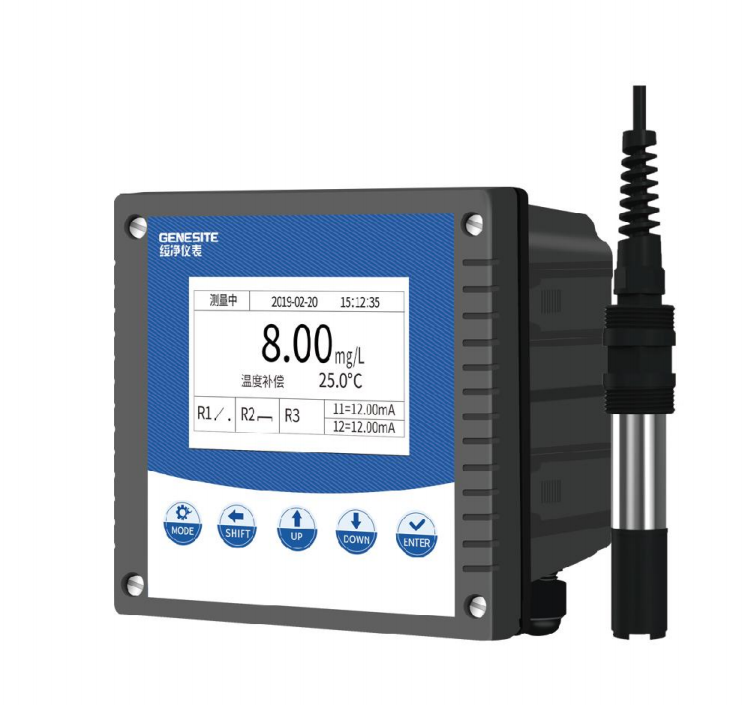
From Concept to Reality: The Journey of Advanced Sensor Development
Table of Contents
- 1. Understanding Sensors: The Backbone of Modern Technology
- 2. The Evolution of Sensor Technology
- 3. The Stages of Sensor Development
- 3.1 Ideation: Turning Ideas into Concepts
- 4. Key Technologies in Sensor Development
- 5. Applications of Advanced Sensors
- 6. Challenges in the Sensor Development Process
- 7. Future Trends in Sensor Technology
- 8. Conclusion: The Future of Sensor Development
1. Understanding Sensors: The Backbone of Modern Technology
Sensors are essential components in various applications, acting as the eyes and ears of electronic systems. They detect physical properties such as temperature, pressure, light, and motion, converting these inputs into signals that can be processed. The significance of sensors spans multiple industries, including automotive, healthcare, consumer electronics, and industrial automation. As we journey through the development of advanced sensors, we unveil the complexities and innovations that accompany their evolution.
2. The Evolution of Sensor Technology
The history of sensors dates back to the early 20th century, with fundamental inventions like the thermocouple and piezoelectric sensors. As technology advanced, so did sensor capabilities, paving the way for sophisticated devices such as MEMS (Micro-Electro-Mechanical Systems) sensors. These miniaturized sensors offer enhanced precision, reduced power consumption, and cost-effectiveness, marking a significant leap in sensor technology.
The advent of the Internet of Things (IoT) has further accelerated the growth of sensor technology. IoT devices rely heavily on sensors to gather data from the environment, facilitating real-time analysis and decision-making. This section explores the pivotal milestones in sensor evolution, shedding light on how they have transformed our understanding of the world around us.
3. The Stages of Sensor Development
Developing advanced sensors involves a systematic approach, transitioning from conceptual ideas to tangible products. Each stage in this process is crucial, ensuring that the final product meets market demands and technological standards.
3.1 Ideation: Turning Ideas into Concepts
The first stage of sensor development begins with brainstorming and ideation. Diverse teams, including engineers, designers, and market analysts, collaborate to identify specific needs and potential applications. This phase often involves researching existing technologies, trends, and user requirements. The goal is to conceptualize innovative sensor designs that address real-world challenges.
A critical aspect of this stage is defining the sensor's functionality, sensitivity, and compatibility with other systems. We analyze market gaps and user feedback, laying the groundwork for a successful sensor concept.
3.2 Prototyping: Building the First Model
Once a viable concept is established, the next step is prototyping. This involves creating a preliminary version of the sensor, allowing designers to visualize and test their ideas. Rapid prototyping techniques, such as 3D printing and circuit simulation, enable teams to iterate quickly and efficiently.
During this phase, engineers focus on selecting materials, designing circuitry, and integrating necessary components. Creating a working prototype is vital for identifying design flaws and ensuring that the sensor meets performance criteria.
3.3 Testing and Validation: Ensuring Reliability
With a prototype in hand, rigorous testing and validation procedures commence. This stage is pivotal in determining the sensor's reliability, accuracy, and durability. Various tests, including environmental testing, performance testing, and stress testing, are conducted to evaluate how the sensor performs under different conditions.
Feedback from this stage often leads to design modifications. Engineers may need to revisit previous stages to enhance the sensor's efficiency and functionality. Ensuring compliance with industry standards and regulations is also critical, as it guarantees the product's safety and reliability in real-world applications.
3.4 Production: Scaling Up for Market
Once testing validates the sensor's design, the development team moves to the production stage. This process involves scaling up manufacturing while maintaining quality and consistency. Advanced manufacturing techniques, such as automated assembly lines and quality control systems, play a crucial role in this phase.
Collaboration with suppliers for materials and components is essential to ensure timely production. Additionally, addressing cost efficiency while maintaining high-quality standards is a balancing act that influences overall market competitiveness.
4. Key Technologies in Sensor Development
The landscape of sensor technology is continuously evolving, driven by advancements in various fields. Key technologies shaping the future of sensor development include:
- **MEMS Technology**: Enhancing miniaturization and performance.
- **Nanotechnology**: Increasing sensitivity and specificity in sensor applications.
- **Wireless Connectivity**: Allowing seamless integration with IoT and smart devices.
- **Artificial Intelligence**: Enabling sensors to process and analyze data in real-time, enhancing decision-making capabilities.
We explore each of these technologies, detailing how they contribute to the development of advanced sensors that meet the demands of modern applications.
5. Applications of Advanced Sensors
Advanced sensors have a multitude of applications across various sectors, each utilizing unique capabilities. Some notable applications include:
- **Automotive Industry**: Sensors in vehicles enhance safety through collision detection, adaptive cruise control, and automated parking systems.
- **Healthcare**: Wearable sensors monitor vital signs, enabling real-time health assessments and remote patient monitoring.
- **Industrial Automation**: Sensors facilitate predictive maintenance, enabling machinery to communicate its status and optimize operations.
- **Environmental Monitoring**: Sensors track air and water quality, contributing to public health and environmental conservation efforts.
This section delves deeper into each application, illustrating the transformative impact of advanced sensors on industries worldwide.
6. Challenges in the Sensor Development Process
Despite significant advancements, the sensor development process is fraught with challenges. Some key issues include:
- **Cost Constraints**: Balancing quality with affordability often presents a dilemma for developers.
- **Technological Complexity**: Rapid technological changes can render existing designs obsolete, necessitating continuous innovation.
- **Market Competition**: The sensor market is highly competitive, requiring constant adaptation and differentiation.
Addressing these challenges involves strategic planning, investment in research and development, and a keen understanding of market dynamics.
7. Future Trends in Sensor Technology
Looking ahead, several trends are poised to shape the future of sensor technology:
- **Integration of AI and Machine Learning**: Increasing data processing capabilities for smarter, more responsive sensors.
- **Sustainability**: Development of eco-friendly sensors and production processes that minimize environmental impact.
- **Enhanced Connectivity**: Expansion of sensor networks through 5G and IoT, facilitating more robust data sharing and analytics.
This section analyzes these trends, highlighting how they will influence the sensor industry's direction.
8. Conclusion: The Future of Sensor Development
The journey of advanced sensor development, from concept to reality, is a testament to human ingenuity and technological progress. As we continue to innovate, sensors will play an increasingly integral role in shaping the future of many industries. By overcoming challenges and embracing new technologies, we can unlock the full potential of advanced sensors, enhancing our lives and driving global progress.
Frequently Asked Questions (FAQs)
1. What are the key components of a sensor?
The key components of a sensor typically include a sensing element, transducer, signal conditioner, and output interface.
2. How do advanced sensors improve smart home technology?
Advanced sensors enable smart home devices to gather data about the environment, facilitating automation and enhancing user convenience.
3. What industries benefit most from sensor technology?
Industries such as automotive, healthcare, manufacturing, and environmental monitoring significantly benefit from advancements in sensor technology.
4. What are the common challenges faced in sensor development?
Common challenges include cost constraints, technological complexity, market competition, and the need for compliance with industry standards.
5. How does artificial intelligence enhance sensor capabilities?
Artificial intelligence allows sensors to analyze data in real-time, improving accuracy and enabling predictive analytics based on environmental changes.
By incorporating these elements, we create a comprehensive guide to understanding the intricate journey of advanced sensor development, paving the way for future innovations in the field.
TAG:
PREVIOUS:

Contact Us
E-mail :
andrew@genesit1.com
Phone:
+8615896508337
Address:
Chanhe Industrial Park,LuoYang City, Henan Province,China


SAF Coolest v1.3.1.2 设置面板 GAGSD-AGYF-JZZQE-ZAV
违禁词: 第一,最,一流,领先,独一无二,王者,龙头,领导者,极致,
无数据提示
Sorry,当前栏目正在更新中,敬请期待!
您可以查看其他栏目或返回 首页