GENESITE Environmental Protection Technology Co., Ltd.

The Future of Sensing: Innovations in Calcium Ion Sensors from China
Jul 24,2026
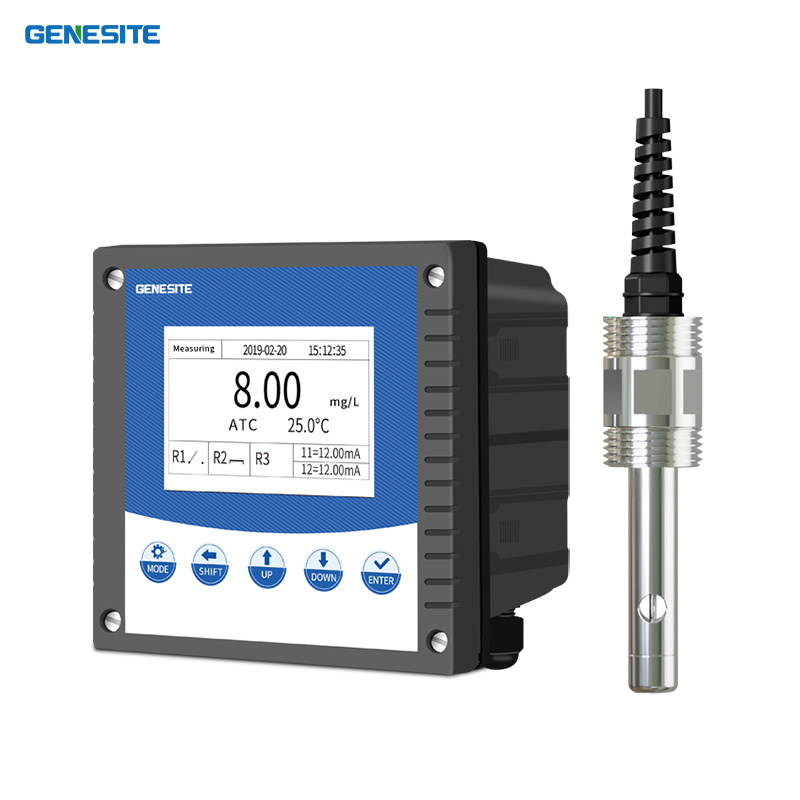
The Future of Sensing: Innovations in Calcium Ion Sensors from China
Table of Contents
- 1. Introduction to Calcium Ion Sensors
- 2. Importance of Calcium Ion Sensing Technology
- 3. Applications of Calcium Ion Sensors in Various Industries
- 4. Technological Advancements in Calcium Ion Sensors
- 5. The Role of China in Calcium Ion Sensor Manufacturing
- 6. Future Prospects of Calcium Ion Sensors
- 7. Challenges Facing Calcium Ion Sensor Development
- 8. Conclusion
- 9. FAQs about Calcium Ion Sensors
1. Introduction to Calcium Ion Sensors
Calcium ion sensors are crucial tools used to detect and measure calcium ions in various environments. The ability to monitor calcium levels is significant due to calcium's vital role in numerous biological and chemical processes. These sensors are becoming increasingly sophisticated, with innovations emerging predominantly from China, a global leader in sensor technology.
2. Importance of Calcium Ion Sensing Technology
The significance of calcium ion sensing technology cannot be understated. With applications ranging from healthcare to environmental monitoring, understanding calcium dynamics is essential. Calcium ions function as secondary messengers in cellular signaling, impacting heart function, muscle contraction, and neurotransmitter release. Thus, the development of reliable calcium ion sensors is paramount for advancing research and applications across multiple fields.
3. Applications of Calcium Ion Sensors in Various Industries
3.1 Healthcare and Medical Diagnostics
In the healthcare sector, calcium ion sensors play a vital role in medical diagnostics. They are essential in monitoring calcium levels in patients with conditions such as hypercalcemia or hypocalcemia, contributing to timely and effective treatments. Furthermore, these sensors are instrumental in point-of-care testing, providing rapid results for critical health assessments.
3.2 Environmental Monitoring
Calcium ion sensors are also used in environmental monitoring to assess water quality. By measuring calcium levels in natural water bodies and aquifers, these sensors help monitor ecological health and detect changes in environmental conditions that could affect biodiversity.
3.3 Agricultural Innovations
In agriculture, calcium ion sensors assist in optimizing crop yields by monitoring soil health. These sensors help farmers understand soil nutrient levels, ensuring that crops receive adequate calcium, which is crucial for plant growth and development.
4. Technological Advancements in Calcium Ion Sensors
Innovations in sensor technology have led to significant advancements in the design and functionality of calcium ion sensors.
4.1 New Materials and Designs
Recent developments in materials science have resulted in the creation of more sensitive and robust calcium ion sensors. Novel materials such as graphene and nanomaterials are being utilized to enhance sensor performance, leading to greater accuracy and faster response times.
4.2 Enhanced Sensitivity and Specificity
The latest calcium ion sensors feature improved sensitivity and specificity, enabling them to detect lower concentrations of calcium ions. This enhancement is particularly important in medical diagnostics, where precise measurements can lead to better patient outcomes.
5. The Role of China in Calcium Ion Sensor Manufacturing
China has emerged as a powerhouse in the manufacturing of calcium ion sensors. The country’s robust supply chain, commitment to research and development, and a flourishing tech ecosystem have positioned it as a leader in this field. Many Chinese companies are at the forefront of producing advanced sensors that meet international quality standards.
6. Future Prospects of Calcium Ion Sensors
The future of calcium ion sensors looks promising, with ongoing research aimed at increasing their applications and capabilities. Innovations in wireless technology and miniaturization may lead to portable sensors that can be used in various settings, from remote monitoring in agriculture to personal health devices.
7. Challenges Facing Calcium Ion Sensor Development
Despite the progress made, several challenges remain in the development of calcium ion sensors. Issues such as calibration, long-term stability, and cost-effectiveness must be addressed to ensure widespread adoption. Additionally, competition among manufacturers can lead to inconsistencies in quality, making it essential for companies to adhere to rigorous standards.
8. Conclusion
The advancements in calcium ion sensors from China represent a significant leap forward in sensing technology. With applications spanning healthcare, environmental monitoring, and agriculture, these sensors are poised to play a crucial role in improving quality of life and understanding complex systems. As research continues and innovations emerge, the potential for these sensors will only grow, setting the stage for a future where precise calcium monitoring is accessible and effective.
9. FAQs about Calcium Ion Sensors
1. What are calcium ion sensors used for?
Calcium ion sensors are primarily used for detecting and measuring calcium levels in various applications, including healthcare diagnostics, environmental monitoring, and agricultural assessments.
2. How do calcium ion sensors work?
Calcium ion sensors work by utilizing specific materials that respond to the presence of calcium ions, generating a measurable signal that corresponds to the ion concentration.
3. What advancements have been made in calcium ion sensor technology?
Recent advancements include the use of novel materials like graphene for enhanced sensitivity, improved designs for better accuracy, and the integration of wireless technologies for real-time monitoring.
4. Why is calcium monitoring important in healthcare?
Calcium monitoring is crucial in healthcare as it helps diagnose and manage conditions related to calcium imbalances, which can significantly affect bodily functions.
5. What challenges do manufacturers face in producing calcium ion sensors?
Manufacturers face challenges such as ensuring long-term stability, maintaining calibration accuracy, and competing in a market where quality consistency is essential.
By focusing on the innovations stemming from China in calcium ion sensors, this article outlines the immense potential and future prospects of this technology, emphasizing the critical role it plays across various industries.
TAG:

Contact Us
E-mail :
andrew@genesit1.com
Phone:
+8615896508337
Address:
Chanhe Industrial Park,LuoYang City, Henan Province,China


SAF Coolest v1.3.1.2 设置面板 GAGSD-AGYF-JZZQE-ZAV
违禁词: 第一,最,一流,领先,独一无二,王者,龙头,领导者,极致,
无数据提示
Sorry,当前栏目正在更新中,敬请期待!
您可以查看其他栏目或返回 首页