GENESITE Environmental Protection Technology Co., Ltd.

Understanding the Role of Turbidity Detector Exporters in Environmental Monitoring
Jul 28,2026
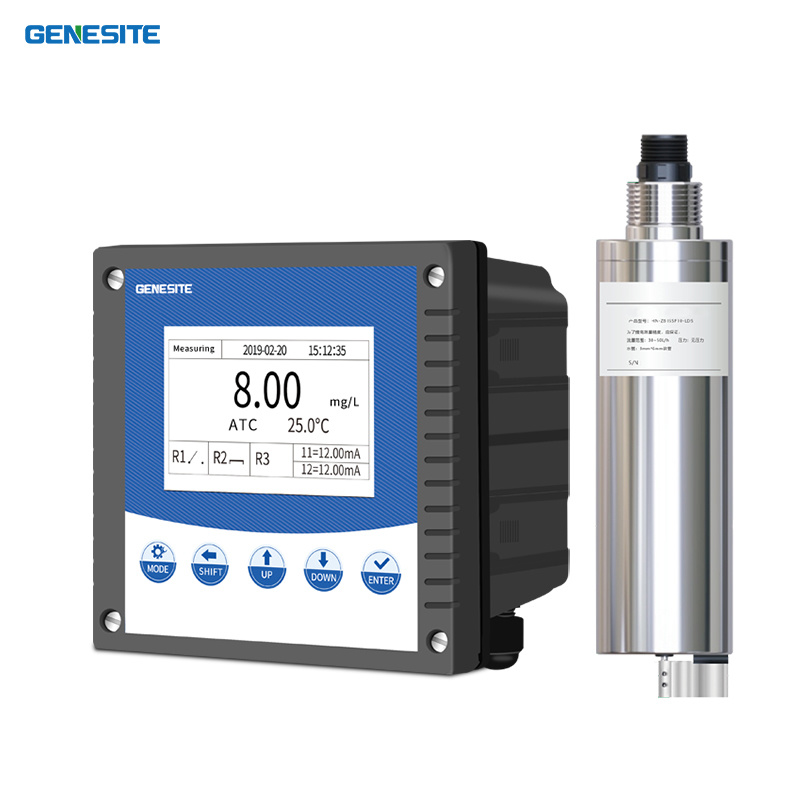
Turbidity detectors play a vital role in measuring the cloudiness or haziness of a fluid, which can be indicative of the presence of suspended particles. These instruments are crucial in various applications, particularly in environmental monitoring, where water quality is of utmost importance. As demand for these detectors continues to rise, turbidity detector exporters have become key players in ensuring that high-quality instruments reach the markets.
One of the primary roles of turbidity detector exporters is to facilitate the availability of reliable instrumentation to laboratories, municipal water treatment facilities, and environmental agencies. These exporters often collaborate with manufacturers to ensure that the products meet international quality standards. By providing accurate and reliable turbidity measurements, these detectors help in assessing the health of water bodies, which is essential for both ecological balance and public health.
When considering engaging with turbidity detector exporters, several factors come into play. Firstly, it's essential to evaluate the quality and reliability of the detectors they supply. Look for exporters that offer products which comply with recognized industry standards, such as ISO certifications. Additionally, assess the technological advancements of the instruments. Modern turbidity detectors often incorporate features such as real-time monitoring, data logging capabilities, and user-friendly interfaces that enhance usability and effectiveness in various applications.
Furthermore, the level of customer support and technical assistance provided by the exporter is critical. Effective communication and support ensure that clients can efficiently use the instruments and troubleshoot any issues that may arise. Exporters that offer comprehensive training programs and resources can significantly enhance the user experience and effectiveness of the instruments in the field.
The global reach of turbidity detector exporters also allows for a wide distribution of advanced monitoring technology. By exporting these detectors, they help facilitate environmental assessments in regions that may lack access to such technology. This is particularly important in developing countries where water quality issues are prevalent and where effective monitoring can lead to improved public health outcomes.
In conclusion, turbidity detector exporters serve a pivotal role in the field of environmental monitoring. By providing high-quality instruments and support, they help organizations and agencies measure water quality effectively, contributing to the preservation of our natural resources. Engaging with a reliable exporter can greatly enhance the capacity for water quality assessment, ensuring safer and healthier environments for all.
One of the primary roles of turbidity detector exporters is to facilitate the availability of reliable instrumentation to laboratories, municipal water treatment facilities, and environmental agencies. These exporters often collaborate with manufacturers to ensure that the products meet international quality standards. By providing accurate and reliable turbidity measurements, these detectors help in assessing the health of water bodies, which is essential for both ecological balance and public health.
When considering engaging with turbidity detector exporters, several factors come into play. Firstly, it's essential to evaluate the quality and reliability of the detectors they supply. Look for exporters that offer products which comply with recognized industry standards, such as ISO certifications. Additionally, assess the technological advancements of the instruments. Modern turbidity detectors often incorporate features such as real-time monitoring, data logging capabilities, and user-friendly interfaces that enhance usability and effectiveness in various applications.
Furthermore, the level of customer support and technical assistance provided by the exporter is critical. Effective communication and support ensure that clients can efficiently use the instruments and troubleshoot any issues that may arise. Exporters that offer comprehensive training programs and resources can significantly enhance the user experience and effectiveness of the instruments in the field.
The global reach of turbidity detector exporters also allows for a wide distribution of advanced monitoring technology. By exporting these detectors, they help facilitate environmental assessments in regions that may lack access to such technology. This is particularly important in developing countries where water quality issues are prevalent and where effective monitoring can lead to improved public health outcomes.
In conclusion, turbidity detector exporters serve a pivotal role in the field of environmental monitoring. By providing high-quality instruments and support, they help organizations and agencies measure water quality effectively, contributing to the preservation of our natural resources. Engaging with a reliable exporter can greatly enhance the capacity for water quality assessment, ensuring safer and healthier environments for all.
TAG:
PREVIOUS:

Contact Us
E-mail :
andrew@genesit1.com
Phone:
+8615896508337
Address:
Chanhe Industrial Park,LuoYang City, Henan Province,China


SAF Coolest v1.3.1.2 设置面板 GAGSD-AGYF-JZZQE-ZAV
违禁词: 第一,最,一流,领先,独一无二,王者,龙头,领导者,极致,
无数据提示
Sorry,当前栏目正在更新中,敬请期待!
您可以查看其他栏目或返回 首页