GENESITE Environmental Protection Technology Co., Ltd.

Innovations in Water Sampling: Essential Insights for Enhanced Quality and Efficiency
Jul 04,2025
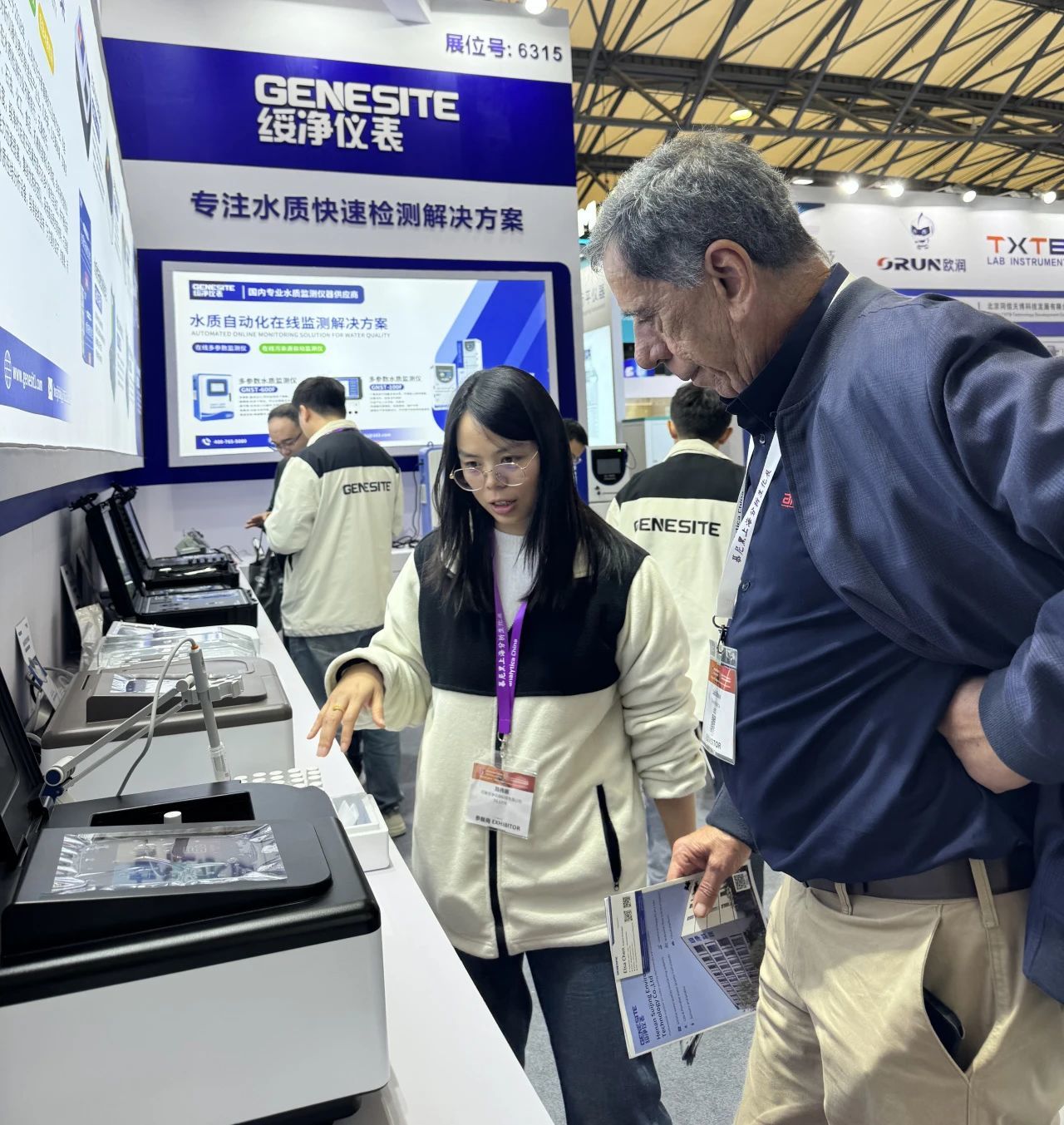
Innovations in Water Sampling: What You Need to Know
Table of Contents
- Understanding Water Sampling: A Fundamental Overview
- The Importance of Accurate Water Sampling in Public Health
- Recent Innovations in Water Sampling Technology
- Best Practices for Effective Water Sampling
- Challenges in Water Sampling and How Innovations Address Them
- Future Trends in Water Sampling Technology
- FAQs about Water Sampling Innovations
- Conclusion: Embracing the Future of Water Sampling
Understanding Water Sampling: A Fundamental Overview
Water sampling is the process of collecting water samples from various sources for analysis and testing. It serves a crucial role in environmental monitoring, public health assessment, and quality control in various industries, including pharmaceuticals, food, and beverages. Accurate water sampling is essential for identifying contaminants, assessing water quality, and ensuring compliance with health regulations.
The Importance of Accurate Water Sampling in Public Health
In the context of public health, water quality can significantly impact the well-being of communities. Contaminated water sources can lead to serious health risks, including waterborne diseases. Therefore, meticulous water sampling is imperative for:
- **Identifying Contaminants**: Regular sampling helps in detecting harmful substances such as bacteria, heavy metals, and chemical pollutants.
- **Ensuring Compliance**: Water quality must meet established guidelines, such as those from the Environmental Protection Agency (EPA). Consistent testing ensures that water supplies adhere to these standards.
- **Protecting Ecosystems**: Water sampling not only safeguards human health but also monitors aquatic ecosystems, ensuring the sustainability of biodiversity.
Recent Innovations in Water Sampling Technology
The field of water sampling has witnessed significant technological advancements in recent years. These innovations enhance the accuracy, efficiency, and reliability of water quality assessments.
Automated Water Sampling Systems
Automated water sampling systems represent a significant leap forward in water quality monitoring. These systems allow for:
- **Consistent Sampling**: Automated systems can be programmed to collect samples at regular intervals, minimizing human error and ensuring a consistent approach to data collection.
- **Remote Monitoring**: Many automated systems are equipped with telemetry, allowing for real-time monitoring and data transmission. This is particularly beneficial in remote locations where manual sampling is challenging.
Smart Water Sensors and IoT Integration
The integration of Internet of Things (IoT) technology in water sampling has transformed the way we monitor water quality. Smart sensors can continuously analyze water parameters such as pH, turbidity, and temperature. Key benefits include:
- **Immediate Data Accessibility**: Results are transmitted instantly to monitoring systems, allowing for quick decision-making and response.
- **Predictive Analytics**: With machine learning capabilities, these systems can predict potential contamination events, enabling proactive measures.
Eco-Friendly Sampling Equipment
Sustainability is becoming increasingly important in water sampling technologies. Eco-friendly sampling equipment minimizes environmental impact by using biodegradable materials and reducing waste. This innovation is essential in promoting sustainable practices across various industries.
Best Practices for Effective Water Sampling
To ensure the accuracy and reliability of water sampling, following best practices is vital:
- **Choose Appropriate Sampling Locations**: Identify locations that are representative of the water body being tested. This may include upstream and downstream sites.
- **Utilize Proper Equipment**: Ensure that the sampling equipment is clean, well-maintained, and appropriate for the type of water being collected.
- **Follow Standard Protocols**: Adhering to established sampling protocols, such as those outlined by the EPA, ensures consistency and reliability in results.
- **Document Conditions**: Record environmental conditions such as temperature, weather, and water flow, as these factors can influence sample integrity.
Challenges in Water Sampling and How Innovations Address Them
Despite advancements, water sampling faces various challenges:
- **Contamination Risks**: Samples can be easily contaminated during collection. Innovations in automated systems help minimize human contact and reduce contamination risks.
- **Data Management**: Handling large volumes of data can be overwhelming. Advanced software solutions are now available that streamline data collection, management, and analysis.
- **Logistical Issues**: Transporting samples, especially from remote locations, can pose challenges. The development of portable sampling devices has made it easier to collect and analyze samples on-site.
Future Trends in Water Sampling Technology
The future of water sampling is set to be shaped by several trends:
- **Increased Use of AI and Machine Learning**: Predictive analytics using AI can improve water quality forecasting and risk assessment.
- **Enhanced Data Integration**: Combining data from multiple sources (e.g., satellite imagery, weather data) will provide a more comprehensive view of water quality.
- **Expansion of Citizen Science Initiatives**: Engaging the public in water sampling efforts can lead to greater awareness and involvement in local water quality issues.
FAQs about Water Sampling Innovations
1. What is the primary purpose of water sampling?
The primary purpose of water sampling is to collect representative water samples for analysis, helping to assess water quality and identify potential contaminants that may pose risks to public health and the environment.
2. How does automated water sampling work?
Automated water sampling systems collect samples at predetermined intervals without human intervention. They are equipped with sensors that monitor water quality and transmit data in real-time.
3. What are smart water sensors?
Smart water sensors are devices that continuously monitor various water quality parameters and are often integrated with IoT technology, allowing for real-time data transmission and analysis.
4. Why is eco-friendly sampling equipment important?
Eco-friendly sampling equipment reduces environmental impact, promotes sustainability, and aligns with global efforts to minimize waste and protect natural resources.
5. What best practices should I follow when sampling water?
Best practices include selecting appropriate sampling sites, using clean and suitable equipment, adhering to standard protocols, and documenting environmental conditions to ensure sample integrity.
Conclusion: Embracing the Future of Water Sampling
As the demand for water quality monitoring grows, innovations in water sampling technology will play a crucial role in enhancing public health and environmental protection. Embracing these advancements will not only improve the accuracy and efficiency of sampling processes but also contribute to a more sustainable future. By understanding and implementing these innovations, we can ensure the safety and quality of our vital water resources, paving the way for healthier communities and ecosystems.

Contact Us
E-mail :
andrew@genesit1.com
Phone:
+8615896508337
Address:
Chanhe Industrial Park,LuoYang City, Henan Province,China

SAF Coolest v1.3.1.2 设置面板 GAGSD-AGYF-JZZQE-ZAV
无数据提示
Sorry,当前栏目正在更新中,敬请期待!
您可以查看其他栏目或返回 首页