GENESITE Environmental Protection Technology Co., Ltd.

Understanding Turbidity Detectors: Essential Tools for Environmental Monitoring
Jun 30,2025
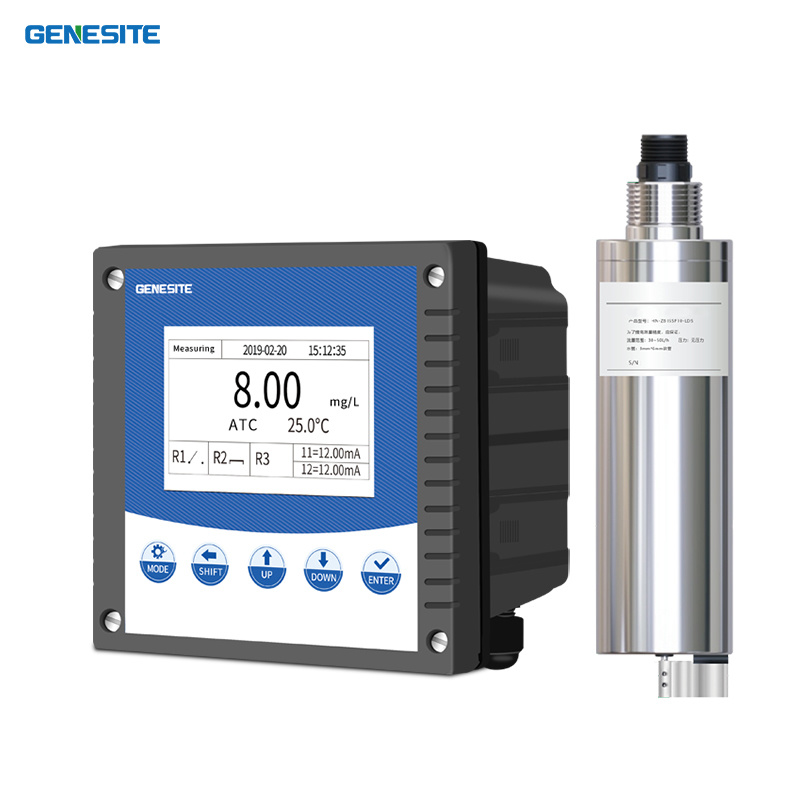
Turbidity detectors are vital instruments used to measure the cloudiness or haziness of a liquid caused by large numbers of individual particles. In the context of environmental monitoring, these devices play a crucial role in assessing water quality in various settings, such as drinking water treatment facilities, wastewater treatment plants, and natural water bodies.
The primary function of a turbidity detector is to quantify the amount of suspended particles in a liquid, which can include sediments, microorganisms, and organic matter. The measurement is typically expressed in Nephelometric Turbidity Units (NTU). Understanding turbidity levels is essential for environmental scientists and engineers, as it provides insights into the overall health of aquatic ecosystems and the effectiveness of water treatment processes.
One of the most significant advantages of using turbidity detectors is their ability to provide real-time monitoring of water quality. This feature is essential for industries that require strict compliance with environmental regulations, such as municipal water treatment and recreational water monitoring. By continuously measuring turbidity levels, organizations can quickly identify potential contamination issues and take corrective actions to mitigate risks.
Moreover, turbidity detectors come in various types, including portable hand-held devices and more complex, fixed installations. Portable turbidity detectors offer flexibility and convenience, allowing for on-site measurements in remote or difficult-to-access locations. In contrast, stationary turbidity detectors are ideal for continuous monitoring in treatment plants or natural water bodies, providing ongoing data for analysis and reporting.
When selecting a turbidity detector, it's important to consider factors such as the detection range, response time, and ease of calibration. Some advanced models also offer features like data logging and connectivity to software systems, enabling users to analyze trends and generate detailed reports.
In conclusion, turbidity detectors are essential tools for anyone involved in water quality assessment and environmental monitoring. Their ability to measure and monitor turbidity levels not only helps in maintaining compliance with regulations but also contributes to the protection of aquatic ecosystems. By understanding and utilizing turbidity detectors effectively, industries can ensure the integrity of water resources and promote sustainable environmental practices.

Contact Us
E-mail :
andrew@genesit1.com
Phone:
+8615896508337
Address:
Chanhe Industrial Park,LuoYang City, Henan Province,China

SAF Coolest v1.3.1.2 设置面板 GAGSD-AGYF-JZZQE-ZAV
无数据提示
Sorry,当前栏目正在更新中,敬请期待!
您可以查看其他栏目或返回 首页