GENESITE Environmental Protection Technology Co., Ltd.

The Future of Calcium Ion Sensors: Unveiling Innovations and Trends Shaping Tomorrow
Jun 26,2025
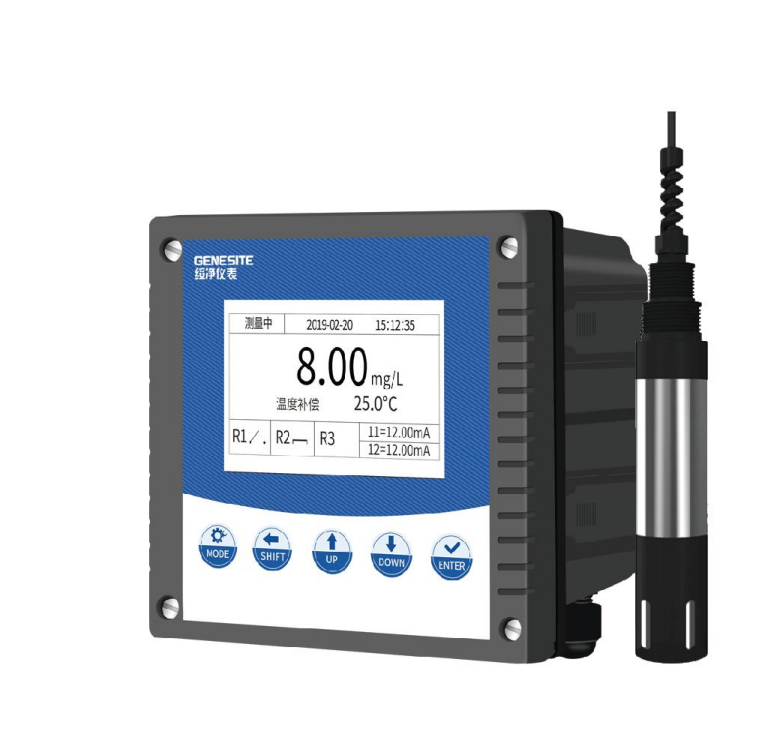
The Future of Calcium Ion Sensors: Innovations and Trends
Calcium ions (Ca²⁺) play a crucial role in various biological and industrial processes, making calcium ion sensors indispensable in today's technological landscape. The evolution of these sensors has led to innovations that promise to reshape industries ranging from healthcare to environmental monitoring. This article will explore the latest advancements in calcium ion sensor technology, emerging trends, and what the future holds for this vital aspect of electronic components.
Table of Contents
1. Introduction to Calcium Ion Sensors
2. Why Calcium Ion Detection is Crucial
3. Innovative Technologies in Calcium Ion Sensors
1. The Role of Nanotechnology in Sensor Development
2. Biomaterials Revolutionizing Sensor Design
4. Applications of Calcium Ion Sensors
1. In Healthcare
2. In Environmental Monitoring
3. In Industrial Processes
5. Trends Shaping the Future of Calcium Ion Sensors
1. Miniaturization and Portability
2. Integration with Smart Technologies
6. Challenges Facing Calcium Ion Sensor Development
7. Future Prospects for Calcium Ion Sensors
8. Conclusion
9. FAQs
Introduction to Calcium Ion Sensors
Calcium ion sensors are specialized devices designed to detect and measure the concentration of calcium ions in various environments. These sensors leverage electrochemical principles to offer real-time data, enabling a wide range of applications, including monitoring physiological processes in living organisms, detecting environmental changes, and controlling industrial processes.
Why Calcium Ion Detection is Crucial
The significance of calcium ion detection cannot be overstated. Calcium ions are vital for numerous biological functions, including muscle contraction, neurotransmitter release, and blood coagulation. In industrial applications, accurate monitoring of calcium ion levels can optimize processes and improve product quality. Moreover, environmental monitoring of calcium levels helps assess ecosystem health and manage water quality.
Innovative Technologies in Calcium Ion Sensors
The field of calcium ion sensors is undergoing rapid transformation, thanks to advancements in materials science, nanotechnology, and electronic engineering. These innovations are paving the way for more accurate, efficient, and versatile sensors.
The Role of Nanotechnology in Sensor Development
Nanotechnology has emerged as a game-changer in the development of calcium ion sensors. Nanoscale materials enhance the sensitivity and selectivity of sensors. For instance, the incorporation of nanostructured electrodes significantly increases the surface area available for ion interaction, leading to improved performance. Additionally, nanomaterials such as graphene and carbon nanotubes provide excellent electrical conductivity, enabling faster response times.
Biomaterials Revolutionizing Sensor Design
The integration of biomaterials in sensor design represents another innovative approach that enhances the functionality of calcium ion sensors. Biomaterials can be tailored to mimic biological systems, allowing for more accurate detection in physiological environments. For example, the use of enzyme-based biosensors can provide highly specific detection of calcium ions in biological samples.
Applications of Calcium Ion Sensors
Calcium ion sensors have a broad range of applications across various sectors. Here, we explore some of the most prominent fields benefiting from calcium ion detection technology.
In Healthcare
In the healthcare sector, calcium ion sensors are vital in monitoring critical bodily functions. They are used in devices that provide real-time data on calcium levels in patients, which can be crucial for diagnosing and managing conditions such as hypercalcemia or hypocalcemia. Furthermore, advancements in wearable technologies are leading to the development of portable calcium ion sensors, allowing for continuous monitoring of patients outside clinical settings.
In Environmental Monitoring
Environmental monitoring is another key application of calcium ion sensors. These sensors can assess water quality, track changes in calcium concentrations in soil, and help manage ecosystems. They provide essential data for environmental scientists, enabling them to make informed decisions regarding conservation and resource management.
In Industrial Processes
In industrial settings, calcium ion sensors are used to optimize processes, such as controlling the lime content in water treatment facilities. Accurate monitoring of calcium levels can lead to improved operational efficiency, reduced waste, and enhanced product quality.
Trends Shaping the Future of Calcium Ion Sensors
The future of calcium ion sensors is being shaped by various trends that promise to enhance their capabilities and broaden their applications.
Miniaturization and Portability
One of the most significant trends is the miniaturization of sensors. Advances in microfabrication techniques are enabling the development of smaller, more portable calcium ion sensors that can be easily integrated into diverse environments. This trend is particularly important for healthcare applications, where wearable and implantable devices are becoming increasingly common.
Integration with Smart Technologies
The integration of calcium ion sensors with smart technologies is another trend to watch. The rise of the Internet of Things (IoT) is facilitating the connection of sensors to networks, allowing for real-time data collection and analysis. This connectivity enables users to monitor calcium levels remotely and receive alerts when levels exceed or fall below designated thresholds.
Challenges Facing Calcium Ion Sensor Development
Despite the advancements in calcium ion sensor technology, several challenges remain. These include the need for improved sensor accuracy, stability, and the ability to operate in complex environments. Furthermore, regulatory hurdles in clinical applications can slow the adoption of new technologies. Addressing these challenges will be crucial for the continued evolution of calcium ion sensors.
Future Prospects for Calcium Ion Sensors
The future of calcium ion sensors looks promising, driven by continuous innovation and the increasing demand for accurate monitoring solutions. As technology progresses, we can expect to see more sophisticated sensors that provide enhanced performance in various applications. The integration of artificial intelligence and machine learning algorithms may also play a role in optimizing sensor performance and data analysis.
Conclusion
Calcium ion sensors are poised to play a pivotal role in the future of diverse industries, with ongoing innovations and trends set to enhance their capabilities. As we move towards a more connected and data-driven world, the importance of accurate calcium ion detection will only grow. By embracing new technologies and addressing existing challenges, the future of calcium ion sensors promises to be bright, fostering advancements in healthcare, environmental monitoring, and industrial processes.
FAQs
1. What are calcium ion sensors used for?
Calcium ion sensors are used to detect and measure the concentration of calcium ions in various settings, including healthcare, environmental monitoring, and industrial processes.
2. How do calcium ion sensors work?
Calcium ion sensors typically operate on electrochemical principles, where the interaction of calcium ions with the sensor's surface generates a measurable electrical signal.
3. What innovations are currently shaping calcium ion sensor technology?
Innovations include the use of nanotechnology for improved sensitivity, the integration of biomaterials for enhanced specificity, and advancements in miniaturization for portable applications.
4. What are the challenges faced by calcium ion sensors?
Challenges include the need for improved accuracy, stability in complex environments, and regulatory hurdles in clinical applications.
5. What is the future of calcium ion sensors?
The future looks promising, with trends towards miniaturization, smart technology integration, and ongoing innovations aimed at enhancing sensor performance and expanding their applications.

Contact Us
E-mail :
andrew@genesit1.com
Phone:
+8615896508337
Address:
Chanhe Industrial Park,LuoYang City, Henan Province,China


SAF Coolest v1.3.1.2 设置面板 GAGSD-AGYF-JZZQE-ZAV
无数据提示
Sorry,当前栏目正在更新中,敬请期待!
您可以查看其他栏目或返回 首页